
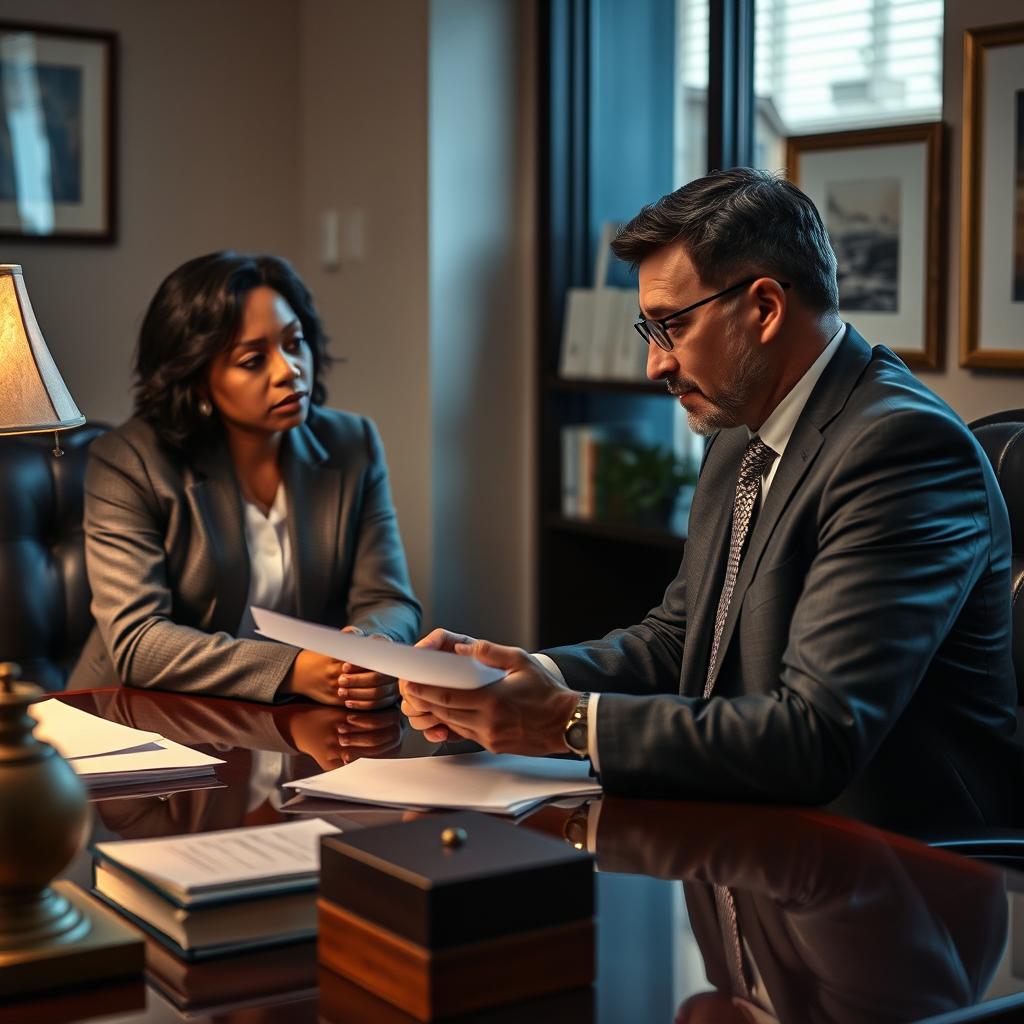
Graffiti Defense Lawyer Navy Yard, DC
You’re leaving your apartment near The Yards when a Metropolitan Police officer signals you to stop. A detective has connected a tag on the wall of a new restaurant along M Street SE to a social-media account they believe is yours. You’re taken to the Third District station, then turned over to the U.S. Marshals for processing. Within hours you’re standing before a judge at D.C. Superior Court, facing a graffiti charge under the D.C. Code Title 22 — prosecuted not by a local district attorney but by the United States Attorney’s Office for the District of Columbia. That’s the unique weight of a criminal allegation in the nation’s capital, and it’s when you need a graffiti defense lawyer in Navy Yard, DC who understands the system. Mr. Sris and the firm’s Of Counsel attorneys bring extensive combined legal experience to criminal defense matters in Washington, D.C. Reach Law Offices Of SRIS, P.C. at (888) 437-7747 to request a consultation. Law Offices Of SRIS, P.C. – Advocacy Without Borders.
What Graffiti Defense Means in Navy Yard, DC
Graffiti cases in the Navy Yard neighborhood — a fast‑growing corridor of new residential towers, restaurants, and retail along the Anacostia waterfront — are prosecuted through D.C. Superior Court, Criminal Division, at 500 Indiana Avenue NW. Because the District of Columbia is a federal territory, local graffiti offenses are charged under D.C. Code Title 22, and the U.S. Attorney’s Office for D.C. Handles the prosecution. Defendants confront a federal inflected process, from initial appearance through trial, even for misdemeanor charges.
The Metropolitan Police Department’s First and Third Districts patrol Navy Yard. Officers often rely on surveillance video, social media posts, and tips from business owners to develop graffiti cases. Once charged, an accused is processed through the District’s Pretrial Services Agency, a federal agency that assesses risk and recommends release conditions instead of money bail. This means a prosecutor’s position on the individual’s ties to the community and prior record can heavily influence pretrial liberty. Mr. Sris and the firm’s Of Counsel attorneys appear routinely at D.C. Superior Court and understand how the U.S. Attorney’s Office handles property‑damage offenses, including the possibility of diversion, deferred disposition, or even outright dismissal of a graffiti case before trial.
Graffiti charges in D.C. May carry penalties such as jail time, fines, restitution, community service, and a permanent criminal record that can affect employment and professional licensing. Beyond the immediate court outcome, a conviction for damaging property often triggers collateral consequences that are severe in the District’s security‑sensitive job market. An experienced defense lawyer can evaluate the evidence, challenge probative issues — including chain of custody and identification — and seek outcomes that minimize long‑term harm.
How Mr. Sris and the Firm’s Of Counsel Attorneys Handle Graffiti Defense Cases
Every graffiti case begins with a thorough review of the government’s evidence. Law Offices Of SRIS, P.C. Examines police reports, arrest records, witness statements, and especially video or photographic evidence the prosecution plans to use. The firm’s attorneys test whether the alleged damage meets the statutory elements of a crime under D.C. Code and whether the government can prove the accused’s identity as the person who caused it.
In court at D.C. Superior Court, Mr. Sris and the firm’s Of Counsel attorneys challenge procedural missteps and evidentiary weaknesses. They negotiate with the U.S. Attorney’s Office to seek reduced charges, diversion into a community‑based resolution program, or a deferred prosecution agreement that can lead to dismissal. When a trial is necessary, the firm prepares a defense that may include contesting officer observations, cross‑examining forensic technicians, and introducing mitigating evidence. Throughout the process, the focus is on protecting the client’s record and future opportunities. Results may vary.
About Mr. Sris and the Firm’s Of Counsel Attorneys
Mr. Sris, Owner and Founder of Law Offices Of SRIS, P.C., founded the firm in 1997. A former prosecutor, he has practiced criminal defense across Virginia, Maryland, the District of Columbia, New Jersey, and New York for more than twenty‑five years. Mr. Sris testified before the Virginia House Courts of Justice Committee in support of 2019 HB 635 (chief patron Del. David Bulova). He draws on firsthand prosecutorial experience to anticipate how the U.S. Attorney’s Office constructs a graffiti case and to develop counter‑strategies.
The firm’s Of Counsel attorneys expand the depth of defense available to clients in Navy Yard. Each attorney brings focused courtroom experience, and together they represent individuals facing a range of criminal allegations in D.C. Superior Court. They are accessible through the firm’s Arlington, Virginia location, which serves clients across the District. Mr. Sris and the firm’s Of Counsel attorneys bring extensive combined legal experience to every matter. Reach them at (888) 437-7747.
Frequently Asked Questions
Is graffiti a misdemeanor or felony in Washington, D.C.?
The classification of a graffiti offense in D.C. Depends primarily on the value of the property damage alleged. Charges may be filed as a misdemeanor or, if the damage exceeds a statutory threshold determined by the D.C. Code, as a felony. Prosecutors often charge graffiti under destruction‑of‑property statutes, and the decision to pursue a felony can hinge on the government’s valuation of the damaged surface. An experienced graffiti defense lawyer can challenge the claimed value and argue for a reduction.
What does the U.S. Attorney’s Office need to prove in a graffiti case?
The government must prove that the accused person intentionally damaged or defaced another person’s property without consent. The U.S. Attorney’s Office must establish each element beyond a reasonable doubt, including identity, the accused’s connection to the alleged act, and that the damage was not authorized. Often, digital evidence — social media posts, photographs, or surveillance footage — plays a central role. Mr. Sris and the firm’s Of Counsel attorneys scrutinize that evidence for reliability and compliance with chain‑of‑custody requirements under D.C. Law.
Can a first‑time graffiti charge be dismissed in D.C.?
Yes, many first‑time graffiti charges in D.C. Can be resolved without a conviction through diversion, deferred prosecution, or negotiated dismissal. The U.S. Attorney’s Office may agree to a deferred prosecution agreement that requires the accused to complete community service or a restorative‑justice program, and the case is dismissed upon successful completion. An experienced defense lawyer can identify eligibility for these alternatives and present the client’s background in the strongest light to secure the most favorable outcome.
What are the potential consequences of a graffiti conviction in D.C.?
A graffiti conviction can result in jail time, fines, restitution to the property owner, and a permanent criminal record. Even a misdemeanor conviction can disrupt employment in the District’s government‑concentrated job market, affect security clearances, and create hurdles for professional licenses. The court may also order community service. For guidance on your specific situation, reach Law Offices Of SRIS, P.C. at (888) 437-7747.
Do I need a lawyer for a graffiti charge in Navy Yard, DC?
While you are not legally required to hire private counsel, having an experienced graffiti defense lawyer in Navy Yard, DC is critical to protecting your rights and future. The U.S. Attorney’s Office prosecutes actively, and the collateral consequences of a conviction are severe. An attorney who regularly appears at D.C. Superior Court can identify procedural errors, challenge evidence, and negotiate for dismissal, diversion, or reduced charges. For a consultation, reach Mr. Sris and the firm’s Of Counsel attorneys at (888) 437-7747.
How does the firm’s Arlington location serve Navy Yard clients?
Law Offices Of SRIS, P.C. represents Navy Yard residents from its Arlington, Virginia location, just across the Potomac River. The Arlington location is at that distance from D.C. Superior Court, providing convenient access for in‑person meetings by appointment. For court appearances, the firm’s attorneys appear at 500 Indiana Avenue NW. Clients can reach the firm 24 hours a day at (888) 437-7747 to schedule a consultation.
Learn more about criminal defense in the District from our firm:
Washington, D.C. Criminal Defense |
Georgetown Criminal Lawyer |
Capitol Hill Criminal Lawyer |
Shaw Criminal Lawyer
Primary legal resources:
D.C. Code Title 22 (Criminal Offenses) —
D.C. Superior Court —
U.S. Attorney’s Office for D.C.
Attorney advertising. Prior results do not guarantee a similar outcome. Results may vary.
Case results depend on a variety of factors unique to each case.