
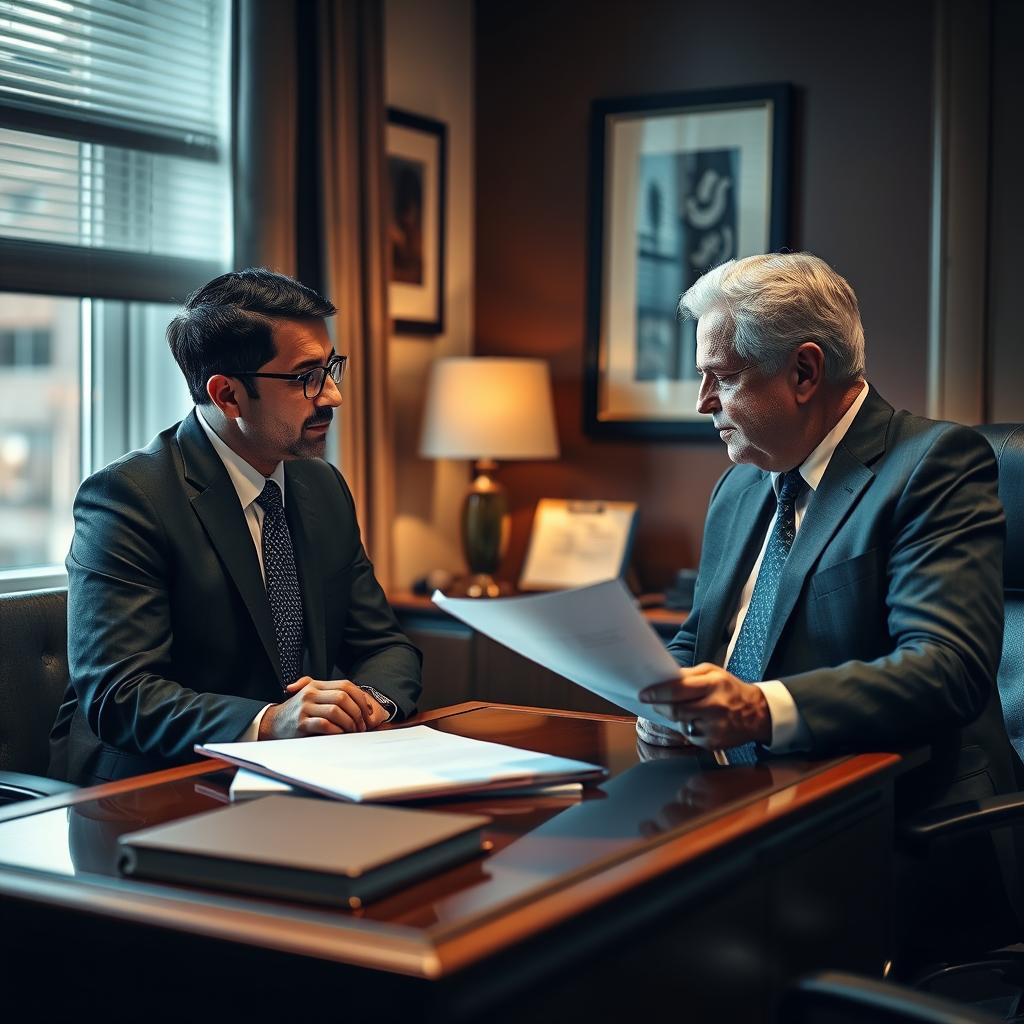
Stalking Lawyer Dupont Circle, DC
When you face a stalking charge in Washington, D.C., the case is prosecuted by the United States Attorney’s Office for the District of Columbia (USAO‑DC)—federal prosecutors who handle local criminal matters—and heard at the DC Superior Court at 500 Indiana Avenue NW, just minutes from the Dupont Circle neighborhood. Stalking allegations carry serious consequences, and the distinctive federal‑local structure of the D.C. Justice system makes experienced representation essential. Mr. Sris, the Owner and Founder of Law Offices Of SRIS, P.C., and the firm’s Of Counsel attorneys defend individuals in Dupont Circle and throughout the District against stalking and other criminal charges. Our Arlington location serves clients in Dupont Circle, Kalorama, Adams Morgan, and the surrounding neighborhoods, and we appear regularly before the judges of the Superior Court’s Criminal Division. If you or someone you care about is under investigation or has been arrested, a prompt conversation with a stalking defense lawyer can make a significant difference. For a confidential consultation, reach the firm at (888) 437‑7747. Law Offices Of SRIS, P.C. – Advocacy Without Borders.
What Stalking Means in Dupont Circle
Criminal matters in the District of Columbia are handled differently from those in any state. Because Washington, D.C., is a federal territory, local offenses—including stalking—are prosecuted by the USAO‑DC, an office of the United States Department of Justice, rather than by a locally elected district attorney. The case will be heard at the DC Superior Court Criminal Division, a unified trial court with jurisdiction over misdemeanors and felonies arising under the D.C. Code. For residents of Dupont Circle, the courthouse is easily accessible via the Judiciary Square Metro station on the Red Line.
Under the District’s criminal statutes, stalking typically involves a course of conduct—two or more acts—directed at a specific person with the intent to cause that person reasonable fear of death, bodily injury, or harm to their family or property. The statute encompasses a wide range of behavior, including unwanted following, repeated electronic communication, and other forms of unwanted contact. Because the law focuses on the effect on the alleged victim, a person may face charges even if they did not intend to cause fear; the question often turns on how a reasonable person would perceive the conduct. The Dupont Circle community, with its dense residential quarters, vibrant nightlife, and numerous embassy‑area social venues, can create situations where interactions are misconstrued, making it critical to have a lawyer who understands both the legal elements and the local context.
D.C. Does not use a cash‑bail system for most offenses. Instead, the Pretrial Services Agency—a federal agency—conducts an assessment and recommends release conditions to the court. While this means many defendants are released without posting money, the release conditions can include stay‑away orders, electronic monitoring, and regular check‑ins that significantly restrict personal freedom long before a trial date. A stalking charge, even a misdemeanor, can also trigger collateral consequences involving employment security clearances, professional licenses, and immigration status, given the District’s concentration of federal and international employers.
How Mr. Sris and the Firm’s Of Counsel Attorneys Handle Stalking Cases
Mr. Sris founded Law Offices Of SRIS, P.C. in 1997, and as a former prosecutor, he has extensive insight into how charging decisions are made and how the government prepares its case. The firm’s Of Counsel attorneys bring broad criminal‑defense experience, including familiarity with the procedures and personnel at the DC Superior Court. When the firm represents someone charged with stalking, the first step is a thorough review of the factual record—police reports, witness statements, electronic communications logs, and any video evidence—to identify weaknesses in the prosecution’s theory. Because stalking allegations often hinge on patterns of behavior and the alleged victim’s subjective perception, cross‑examination of witnesses and challenges to the credibility of the claimed fear are central to the defense.
In many cases, the firm works to obtain a dismissal or a reduction of charges before trial through pretrial motion practice and negotiation with the prosecutor. The District’s unique hybrid of federal and local prosecution means that the USAO‑DC attorneys assigned to a case may approach resolution discussions differently than state‑level prosecutors; familiarity with that dynamic is essential. If a case proceeds to trial, Mr. Sris and the firm’s Of Counsel attorneys are prepared to present a vigorous defense, including challenging the sufficiency of the evidence and ensuring that the government meets its burden of proving every element beyond a reasonable doubt. Every defense strategy is tailored to the specific facts of the Dupont Circle incident and the client’s personal circumstances. For a confidential discussion of the matter, contact the firm at (888) 437‑7747.
About Mr. Sris and the Firm’s Of Counsel Attorneys
Mr. Sris is the Owner and Founder of Law Offices Of SRIS, P.C. He is admitted to practice in five jurisdictions—Virginia, Maryland, the District of Columbia, New Jersey, and New York—and has concentrated his career on criminal defense, family law, and related civil litigation. Before founding the firm in 1997, Mr. Sris served as a prosecutor. That prosecutorial background gives him a practical understanding of how the government assembles a criminal case and informs the strategic decisions he makes in defending clients.
To ensure that clients receive comprehensive attention, Mr. Sris works alongside a group of experienced Of Counsel attorneys who are qualified to handle criminal matters in the District of Columbia. Together, they bring broad experience in courtroom advocacy and have in‑depth knowledge of the procedures that govern the DC Superior Court. The firm’s Arlington location serves clients throughout the Dupont Circle area and the wider Washington, D.C., region. The combination of a former prosecutor’s perspective, multi‑state licensing, and a collective commitment to thorough preparation allows the firm to address stalking charges at every stage—from initial investigation through trial.
Frequently Asked Questions
What constitutes stalking under DC law?
Stalking in the District of Columbia typically involves a course of conduct—meaning two or more separate acts—directed at a specific person, with the intent to cause that person reasonable fear of death, bodily injury, or fear for their safety or the safety of immediate family members. The conduct can include following, monitoring, communicating with, or threatening the individual. Even if the accused did not intend to cause fear, a charge can still be brought if a reasonable person in the alleged victim’s position would have experienced fear. The specific statutory provisions are found in Title 22 of the D.C. Code. Because the offense is defined in part by the effect on the recipient, the facts of each case are highly fact‑sensitive.
Who prosecutes stalking cases in DC?
Criminal cases in the District of Columbia, including stalking charges, are prosecuted by the United States Attorney’s Office for the District of Columbia (USAO‑DC), not by a local district attorney. Because Washington, D.C., is a federal territory, the USAO‑DC acts as the local prosecutor for offenses under the D.C. Code, while also handling federal felony matters in the U.S. District Court. Stalking cases are typically filed in the Criminal Division of the DC Superior Court. This dual‑role prosecution system means the attorneys handling the case are federal prosecutors with significant resources, underscoring the need for a defense lawyer who is thoroughly familiar with the unique court structure.
Does DC use cash bail for stalking charges?
No, the District of Columbia does not use a traditional cash‑bail system for most offenses, including stalking. Instead, the Pretrial Services Agency (PSA)—a federal agency—conducts a risk assessment after arrest and provides the court with a recommendation for release conditions. A judge then decides whether the individual will be released and under what terms. Conditions can include a stay‑away order, electronic monitoring, regular check‑ins, and other restrictions. While this system means that many people are not required to post money, the release conditions can be significantly restrictive and may affect daily life long before a trial date.
Can I get a stalking charge sealed or expunged in DC?
D.C. Law allows for the sealing of certain criminal records under D.C. Code § 16‑803, including cases that end in acquittal, dismissal, or in some qualifying instances after a waiting period for a conviction. The eligibility for sealing depends on the specific outcome of the case and the nature of the offense. For a stalking charge that is dismissed or results in a not‑guilty verdict, a motion to seal may be filed soon after the case concludes. For convictions, there is generally a waiting period. Because the rules are fact‑intensive and have been amended in recent years, it is important to consult with a lawyer who can evaluate the particular circumstances and guide the process.
What should I do if I am arrested for stalking in Dupont Circle?
If you are arrested on a stalking charge in Dupont Circle, remain calm, exercise your right to remain silent, and ask to speak with an attorney. Do not discuss the allegations with law enforcement or anyone else until you have legal counsel. Invoke your right to counsel clearly and then wait for representation. The arrest will typically be processed at a local police facility, and an initial appearance before a magistrate or judge at the DC Superior Court will follow soon after. Contacting an experienced criminal defense attorney at the earliest opportunity can help protect your rights and begin building your defense before critical evidence is lost.
Do I need a lawyer for stalking charges in DC?
While you are not legally required to hire a lawyer when facing a stalking charge in D.C., the consequences of a conviction can be severe, including incarceration, a permanent criminal record, and collateral effects on employment, professional licensing, and immigration status. Stalking cases often turn on subtle factual issues and witness credibility; an experienced defense attorney can challenge the prosecution’s evidence, cross‑examine witnesses effectively, and argue for dismissal or a favorable resolution. Self‑representation can be exceptionally risky, particularly given the federal‑local hybrid nature of the D.C. Criminal justice system. Scheduling a consultation with a qualified stalking lawyer is a critical step toward protecting your future.
Related pages: Washington, D.C. Criminal defense | Georgetown criminal lawyer | Spring Valley criminal attorney | Cleveland Park criminal defense | Chevy Chase DC criminal lawyer
For authoritative legal references, visit the D.C. Code Title 22 (Criminal Offenses) and the DC Superior Court website.
Attorney advertising. Prior results do not guarantee a similar outcome.
Case results depend on a variety of factors unique to each case.