
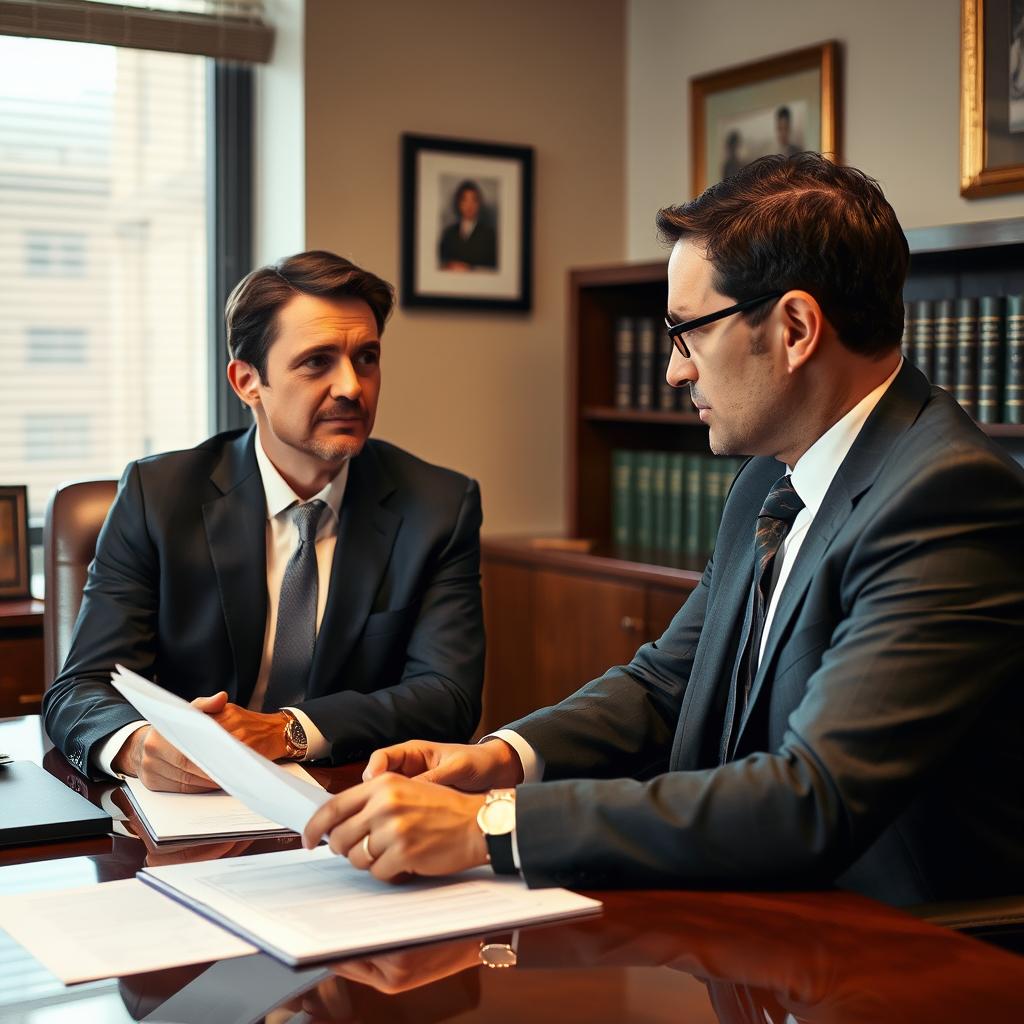
Grand Larceny Lawyer Capitol Hill, DC
A charge of grand larceny in the District of Columbia can disrupt your career, your housing, and your standing in the community. In Capitol Hill, a neighborhood of professionals and families within sight of the U.S. Capitol, that disruption is felt acutely. Grand larceny—the unauthorized taking of property valued above $1,000—is prosecuted by the United States Attorney’s Office for the District of Columbia and heard at DC Superior Court. A conviction carries a potential sentence of up to 10 years of incarceration under D.C. Code Title 22. Mr. Sris and the firm’s Of Counsel attorneys represent individuals facing grand larceny allegations in Capitol Hill and throughout the District. To request a consultation, call (888) 437-7747. Law Offices Of SRIS, P.C. – Advocacy Without Borders.
What Grand Larceny Means in Capitol Hill
Grand larceny, also referred to as theft first degree, is a felony offense in the District of Columbia. Under D.C. Code, a theft becomes grand larceny when the value of the property taken exceeds $1,000. The same offense charged as a lesser misdemeanor—petit larceny—applies when the value is below that threshold. Capitol Hill residents may encounter grand larceny accusations in a variety of contexts: allegations involving retail merchandise, employer funds, vehicle parts, electronics, or items taken from private residences. Because Capitol Hill is a dense, historic neighborhood where neighbors know one another and employers often require background checks, the collateral consequences of a felony record are especially significant.
All felony criminal cases in Capitol Hill are filed in the Criminal Division of the DC Superior Court, located at 500 Indiana Avenue NW, within walking distance of the Judiciary Square Metro station. The court follows procedures unique to the District: there is no locally elected district attorney; instead, the United States Attorney’s Office for DC prosecutes all adult felony cases, including grand larceny, under the D.C. Code. The District’s pretrial release system is also distinct. DC does not use cash bail; the Pretrial Services Agency—a federal agency—conducts a risk assessment and recommends release conditions to the court. An attorney familiar with this federal/local hybrid system can explain what to expect from arrest through potential resolution.
The firm serves Capitol Hill clients from its Arlington, Virginia location, approximately 4.5 miles from the courthouse. Mr. Sris and the firm’s Of Counsel attorneys are experienced in navigating the DC Superior Court’s criminal docket, including the felony calendar where grand larceny cases are scheduled for status hearings, pretrial motions, and trial. They understand the court’s expectations regarding discovery, plea negotiations, and trial readiness, and they work to protect the rights of the accused at every stage.
How Mr. Sris and the Firm’s Of Counsel Attorneys Handle Grand Larceny Cases
When someone is accused of grand larceny, early intervention by defense counsel can be critical. Law Offices Of SRIS, P.C. takes a thorough, evidence-focused approach to every felony theft matter. The firm’s attorneys begin by examining the charging document—often a complaint and affidavit filed by the Metropolitan Police Department—for legal sufficiency. They evaluate whether the government can establish every element of the offense: that the accused took and carried away property belonging to another, with the intent to permanently deprive the owner, and that the property’s fair market value exceeded $1,000. If the valuation of the items is in dispute, or if there is evidence that the accused had permission to possess the property, the firm may file motions to dismiss or reduce the charge to petit larceny.
During the pretrial phase, the firm’s attorneys review the government’s evidence—surveillance footage, witness statements, inventory records, law enforcement notes—and identify any procedural missteps, such as an unlawful search or a suggestive identification procedure. They engage with the assigned prosecutor to explore alternatives to a felony conviction, including diversion programs, deferred sentencing, or a plea to a reduced charge where appropriate. If the case cannot be resolved through negotiation, the firm prepares the matter for trial, challenging the government’s proof through cross-examination and presenting any relevant defense evidence. Throughout the process, the firm’s attorneys maintain communication with the client, explaining each development and the options available. Cases are resolved on their individual facts; past results do not guarantee a similar outcome.
About Mr. Sris and the Firm’s Of Counsel Attorneys
Mr. Sris, Owner and Founder of Law Offices Of SRIS, P.C., is a former prosecutor who has practiced criminal defense since 1997. He is admitted in Virginia, Maryland, the District of Columbia, New Jersey, and New York. Mr. Sris testified before the Virginia House Courts of Justice Committee in support of 2019 HB 635 (chief patron Del. David Bulova). His background gives him insight into how the government builds its cases, an understanding he applies to defending individuals accused of felonies in DC Superior Court.
The firm’s Of Counsel attorneys bring extensive criminal defense experience, including DC-barred counsel who regularly appear in the District’s courts. Together, they have handled felony matters across multiple jurisdictions. Their work includes challenging the evidence assembled by police and prosecutors, advancing legal arguments before the court, and negotiating with the U.S. Attorney’s Office. They work to achieve favorable outcomes for clients facing grand larceny and other serious charges. Results may vary.
Frequently Asked Questions
Who prosecutes grand larceny cases in Washington, D.C.?
The United States Attorney’s Office for the District of Columbia (USAO-DC) prosecutes grand larceny and all adult felony offenses committed within the District. There is no locally elected district attorney. Cases are heard in the Criminal Division of DC Superior Court, which operates under D.C. Law but receives federal funding and employs federal prosecutors. The prosecution must prove every element of grand larceny beyond a reasonable doubt, including that the property’s value exceeded $1,000.
Does DC have cash bail?
No, the District of Columbia does not use a cash bail system. After an arrest, the DC Pretrial Services Agency—a federal agency—conducts a risk assessment and makes a recommendation to the court regarding release conditions. Many defendants accused of nonviolent felonies, including grand larceny, are released to the community while their case is pending, often with supervision conditions such as check-ins or travel restrictions.
Can I get my DC criminal record sealed after a grand larceny case?
DC law allows record sealing for certain criminal cases, including those that end in an acquittal, dismissal, or a nolle prosequi. A grand larceny case that results in a conviction may also be eligible for sealing after a waiting period, depending on the specific disposition and other factors under D.C. Code § 16-803. Eligibility depends on the individual’s entire criminal history; consultation with an attorney can clarify whether sealing is available.
What is the difference between grand larceny and petit larceny in DC?
The primary difference is the value of the property taken. Under D.C. Law, theft of property valued at $1,000 or more is grand larceny, a felony punishable by up to 10 years of imprisonment. Theft of property valued at less than $1,000 is petit larceny, a misdemeanor that carries a maximum sentence of 180 days in jail and a fine. The prosecution must establish the property’s value; disputes over valuation can affect whether the charge remains a felony.
What should I do if I am accused of grand larceny in Capitol Hill?
If you are accused of grand larceny, exercise your right to remain silent and request to speak with an attorney before answering any law enforcement questions. Do not discuss the facts of the allegation with anyone other than your lawyer. Preserve any documents, receipts, or communications that may be relevant. Prompt legal advice can help you understand the charge, the potential consequences, and the steps available to begin building a defense.
How can a lawyer defend against a grand larceny charge?
Defense strategies depend on the specific facts, but common approaches include challenging the government’s valuation of the property, raising consent or claim-of-right defenses, contesting the reliability of eyewitness identifications or surveillance footage, and filing motions to suppress evidence obtained through an unlawful search or seizure. An experienced defense attorney will evaluate the prosecution’s evidence, identify weaknesses, and pursue the most appropriate resolution, whether through negotiation or trial.
For further official information about the DC criminal justice system, visit the DC Superior Court and the DC Code Title 22 (criminal offenses).
Attorney advertising. Prior results do not guarantee a similar outcome. Results may vary.
Case results depend on a variety of factors unique to each case.