
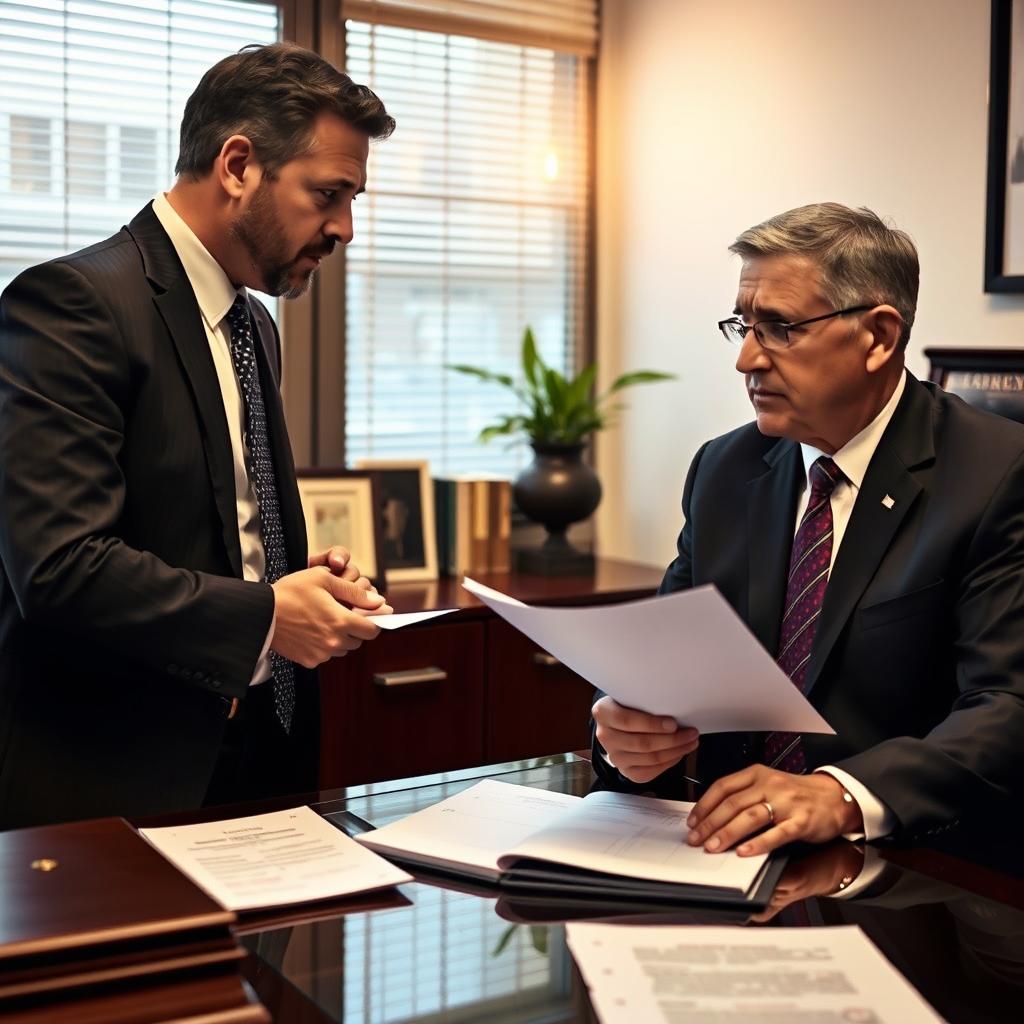
Felony Theft Lawyer Georgetown, DC
Georgetown is more than a historic neighborhood—it is a residential, commercial, and university hub within the District of Columbia where a theft allegation can have an outsized impact. A felony theft charge can affect employment, security clearances, professional licenses, immigration status, and the ability to find housing. Because Georgetown sits in a federal enclave, theft cases are not prosecuted by a local district attorney. They are brought by the United States Attorney’s Office for the District of Columbia in the D.C. Superior Court at 500 Indiana Avenue NW. The procedural landscape is different from what a person from Virginia or Maryland might expect, and the stakes are correspondingly high. Law Offices Of SRIS, P.C. has been practicing since 1997 and handles criminal defense matters in the D.C. Superior Court—including Georgetown and the broader District. Our firm appears alongside clients at every stage of the process, from the initial presentment through trial or negotiated resolution. If you or someone close to you is facing a felony theft charge in Georgetown, call (888) 437-7747 to request a consultation. Law Offices Of SRIS, P.C. – Advocacy Without Borders.
Under D.C. Law, theft in the first degree—where the value of the property taken is $1,000 or more—is a felony punishable by up to 10 years of imprisonment and a fine. Theft in the second degree, involving property valued below $1,000, is a misdemeanor punishable by up to 180 days in jail and a $1,000 fine.
Source: D.C. Code § 22-3211. Official code text
Reviewed by Mr. Sris, admitted in VA/MD/DC/NJ/NY.
What Felony Theft Means in Georgetown
Georgetown’s proximity to the federal government and the density of professional and diplomatic presences mean that criminal cases here can attract attention beyond what a similar charge would receive in other neighborhoods. The D.C. Superior Court sits at Judiciary Square on the Red Line, roughly three miles from Georgetown, and handles all local criminal matters—misdemeanors and felonies alike. A felony theft charge, governed by D.C. Code Title 22, typically stems from an allegation that the accused took property or services without consent and with an intent to permanently deprive the owner of that property. When the value of the property or services exceeds $1,000, the charge is filed as first-degree theft, a felony. The government must prove every element beyond a reasonable doubt.
The Georgetown population includes students, long-time residents, and a steady flow of visitors from the surrounding region. Law enforcement presence comes from the Metropolitan Police Department, which patrols the area and makes arrests, and the U.S. Park Police, who patrol the Georgetown waterfront and the C&O Canal. Because of the multiple law enforcement agencies, the investigation file in a Georgetown theft case can contain reports from more than one agency, and the discovery process may involve coordination between federal and local entities. Law Offices Of SRIS, P.C. understands how these overlapping investigative paths can affect the evidence and is prepared to examine the government’s case from every angle.
How Mr. Sris and the Firm’s Of Counsel Attorneys Handle Felony Theft Cases
A felony theft case in the Superior Court moves through several defined stages: presentment, a preliminary hearing where the government must show probable cause, an indictment or information, and, if there is no pretrial resolution, a trial or a plea. The United States Attorney’s Office prosecutes the case, and the Public Defender Service for the District of Columbia may be appointed if the accused qualifies. Retaining private counsel, however, allows for more frequent communication, earlier investigative steps, and a deeper focus on the individual facts of the matter.
Mr. Sris and the firm’s Of Counsel attorneys engage with felony theft cases from the earliest available moment. They examine the charging document, the arrest affidavit, surveillance footage if it exists, and witness statements. They scrutinize the valuation of the property, because the difference between a misdemeanor and a felony often turns on a few hundred dollars or a contested appraisal. They also assess whether the government’s evidence supports the required mental state—an intent to permanently deprive the owner—and whether any legal defenses, such as claim of right or lack of criminal intent, may apply. Because the firm’s attorneys are admitted in multiple jurisdictions, they can also identify any collateral consequences that a D.C. Theft conviction might trigger in Virginia, Maryland, New Jersey, or New York, helping the client understand the full picture before making a decision about how to proceed. Results may vary.
About Mr. Sris and the Firm’s Of Counsel Attorneys
Mr. Sris, Owner and Founder of Law Offices Of SRIS, P.C., is a former prosecutor who has practiced in the District of Columbia and four states for more than two decades. He testified before the Virginia House Courts of Justice Committee in support of 2019 HB 635 (chief patron Del. David Bulova). Mr. Sris maintains a manageable caseload so that he can give each matter the attention it deserves. For felony theft cases in Georgetown, he and the firm’s Of Counsel attorneys combine their knowledge of criminal procedure with a thorough grasp of D.C. Superior Court practice.
The firm’s Of Counsel attorneys include a criminal defense practitioner with over 30 years of experience who is admitted to practice in the District of Columbia and Virginia. This attorney is familiar with the Superior Court’s criminal calendar, has handled complex felony matters, and brings substantial trial experience to the table. Together, Mr. Sris and the firm’s Of Counsel attorneys work to protect the client’s rights at every stage—from the initial appearance through any post-conviction proceedings.
Frequently Asked Questions
Who prosecutes felony theft cases in Washington, D.C.?
Criminal cases in D.C., including felony theft, are prosecuted by the United States Attorney’s Office for the District of Columbia (USAO-DC), not a local district attorney. Because the District is a federal territory, local crimes under the D.C. Code are handled by federal prosecutors. The case is filed in the D.C. Superior Court at 500 Indiana Avenue NW. A felony theft charge will follow the Superior Court’s felony track, which includes a preliminary hearing in front of a judge to determine if probable cause exists, and potentially an indictment. Understanding that a federal prosecutor’s office is the opposing party is critical, because the resources and approach can differ from a local, state-level prosecutor’s office.
What should I do if I am arrested for felony theft in Georgetown?
If you are arrested, remain silent beyond providing basic identifying information and request to speak with an attorney. Do not discuss the facts of the case with law enforcement, cellmates, or anyone other than your counsel. Preserve any documents, receipts, or electronic communications that might relate to the alleged theft. An early consultation with an attorney who practices in D.C. Superior Court can help you understand the charges, the potential penalties, and the procedural road ahead before you make any statement or decision that could affect the outcome.
Does D.C. Use cash bail?
No, the District of Columbia does not use a traditional cash bail system. Instead, the Pretrial Services Agency (a federal agency) conducts an assessment and makes a release recommendation to the court. Most defendants are released on personal recognizance or on conditions that do not require posting money. The court may impose conditions such as weekly check-ins, travel restrictions, or stay-away orders. Know that a felony charge can influence the PSA’s recommendation, but it does not automatically mean detention.
Can a felony theft conviction be sealed in D.C.?
Yes, D.C. Law allows for the sealing of criminal records under D.C. Code § 16-803, but the eligibility and waiting periods depend on the disposition and the nature of the offense. An acquittal or a dismissal generally permits an immediate or quicker petition to seal. Certain convictions, including some felony theft convictions, may become eligible for sealing after a statutorily prescribed waiting period, provided the person has no disqualifying subsequent convictions. Because the rules are detailed, a discussion with an attorney about your specific record is the trusted way to evaluate sealing options.
What is the difference between first-degree and second-degree theft in D.C.?
The distinction turns on the value of the property or services taken. First-degree theft applies when the value is $1,000 or more, and it is prosecuted as a felony. Second-degree theft covers property or services valued below $1,000 and is treated as a misdemeanor. The government’s valuation of the property can be challenged. If the defense can show that the property was worth less than the felony threshold, the charge may be reduced to a misdemeanor, which carries less severe penalties and a shorter maximum jail term.
How do I reach a felony theft attorney for Georgetown, D.C.?
To discuss your case, call Law Offices Of SRIS, P.C. at (888) 437-7747. Our firm serves clients in Georgetown and throughout the District of Columbia from our nearby Arlington location. A consultation can be scheduled promptly, and a member of our team can answer your questions about the procedures of the D.C. Superior Court, the potential timeframes, and what to expect as your case progresses.
Official District of Columbia resources:
D.C. Code Title 22 (Criminal Offenses) |
D.C. Superior Court
Attorney advertising. Prior results do not guarantee a similar outcome.
Case results depend on a variety of factors unique to each case.