
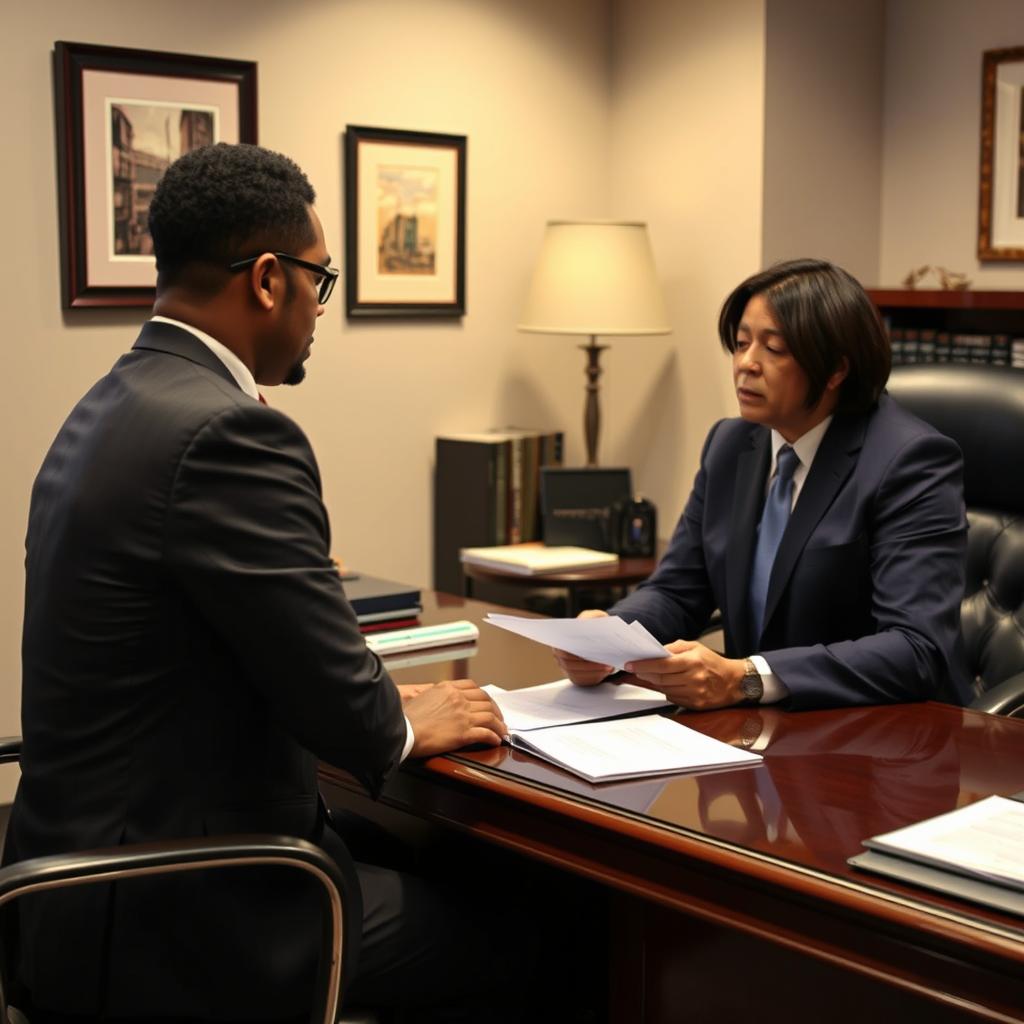
Disorderly Conduct Lawyer Columbia Heights, DC
An encounter with law enforcement in the Columbia Heights neighborhood can escalate quickly, sometimes resulting in a disorderly conduct charge under D.C. Law. Whether the situation arose near the bustling 14th Street corridor, in the parking lot of the DC USA retail center, or during a public gathering, the outcome of a disorderly conduct matter carries lasting consequences beyond the courtroom. A conviction can appear on background checks, affect professional licensing, and disrupt your employment. Law Offices Of SRIS, P.C. Concentrates its practice on defending individuals against criminal charges across the District of Columbia, including Columbia Heights. The firm’s attorneys understand how the D.C. Superior Court handles these matters and what is at stake. To request a consultation about your disorderly conduct case in Columbia Heights, call (888) 437-7747. Law Offices Of SRIS, P.C. – Advocacy Without Borders.
What Disorderly Conduct Means in Columbia Heights
Disorderly conduct in the District of Columbia is defined broadly under D.C. Code Title 22, which governs criminal offenses and penalties within the jurisdiction. The charge can arise from a variety of circumstances—loud arguing, blocking a sidewalk, or engaging in behavior that police believe disrupts public order. In Columbia Heights, a vibrant mixed-use neighborhood with high foot traffic, proximity to public transit, and a concentration of bars and restaurants, disorderly conduct allegations often stem from nightlife-related incidents or spontaneous disputes on public property. The D.C. Superior Court, located at 500 Indiana Avenue NW and accessible via the Judiciary Square Metro station, hears all misdemeanor and felony cases originating in Columbia Heights. Because the District of Columbia is not a state, its criminal system operates differently from neighboring Virginia and Maryland.
The United States Attorney’s Office for the District of Columbia prosecutes criminal offenses, including disorderly conduct. This means a federal prosecutor, not a local district attorney, handles the case. DC does not use a cash bail system. The Pretrial Services Agency, a federal agency, assesses risk and recommends release conditions. Many defendants in Columbia Heights are released without posting money while their case is pending. Still, the court imposes conditions, and failing to comply can lead to additional charges. The firm’s familiarity with the local court, its prosecutors, and the unique procedural framework allows counsel to develop a defense strategy that accounts for how the system actually works.
How Mr. Sris and the Firm’s Of Counsel Attorneys Handle Disorderly Conduct Cases
When Law Offices Of SRIS, P.C. represents someone facing a disorderly conduct charge in Columbia Heights, the first step is a thorough review of the police report, any video or witness evidence, and the charging document filed with the D.C. Superior Court. Because disorderly conduct is often charged alongside other offenses—such as obstruction, resisting arrest, or public intoxication—the defense must address the full picture of the government’s allegations. Mr. Sris and the firm’s Of Counsel attorneys examine whether the arresting officer followed proper procedure, whether the conduct in question meets the legal threshold for criminal disorderly conduct, and whether the government can satisfy its burden of proof.
The firm works to resolve charges as favorably as possible under the specific facts. This may mean negotiating with the prosecutor to have the disorderly conduct count dismissed or reduced, or litigating the matter at trial if dismissal is not offered. The defense posture depends on the client’s goals, especially when a conviction could carry collateral consequences such as employment barriers or immigration issues. Because the U.S. Attorney’s Office handles prosecution, plea discussions and trial strategy follow federal-caliber practices even though the case is in a local court. Mr. Sris and the firm’s Of Counsel attorneys appear regularly in D.C. Superior Court and use that courtroom experience to guide clients through every stage of the proceeding.
About Mr. Sris and the Firm’s Of Counsel Attorneys
Mr. Sris, Owner and Founder of Law Offices Of SRIS, P.C., has practiced criminal defense since founding the firm in 1997. He is a former prosecutor and brings insight into how the other side builds a disorderly conduct case. Mr. Sris is admitted to practice in the District of Columbia, as well as Virginia, Maryland, New Jersey, and New York. His testimony before the Virginia House Courts of Justice Committee in support of 2019 HB 635 (chief patron Del. David Bulova) reflects his engagement with the legislative process.
The firm’s Of Counsel attorneys bring extensive combined legal experience in criminal courtrooms, including D.C. Superior Court. Mr. Sris and the firm’s Of Counsel attorneys have built a practice that handles everything from complex felony trials to misdemeanor hearings in Columbia Heights. Together, they work to develop a defense that is tailored to each client’s circumstances while upholding professional standards. Mr. Sris and the firm’s Of Counsel attorneys have documented case results across multiple practice areas since 1997. Results may vary.
Frequently Asked Questions
Who prosecutes disorderly conduct cases in the District of Columbia?
Criminal cases in D.C., including disorderly conduct, are prosecuted by the United States Attorney’s Office for the District of Columbia, not a local district attorney. Because the District is a federal territory, local criminal offenses under the D.C. Code are handled by federal prosecutors assigned to the D.C. Superior Court. This unique structure means that defense counsel must be prepared to engage with a federal-level prosecution team in what is otherwise a local court setting. Understanding how the U.S. Attorney’s Office approaches misdemeanor charging and plea negotiations is a key part of mounting an effective defense.
Does the District of Columbia use cash bail for disorderly conduct cases?
No, D.C. Does not use a cash bail system; the Pretrial Services Agency evaluates each defendant and recommends release conditions. Most people arrested for disorderly conduct in Columbia Heights are released without having to post money, though the court may impose conditions such as staying away from a specific location, refraining from alcohol consumption, or checking in periodically. A lawyer can argue for the least restrictive conditions and ensure the client understands the obligations, because violating a release condition can result in immediate re-arrest.
What are the potential penalties for disorderly conduct in D.C.?
A conviction for disorderly conduct in the District of Columbia can result in incarceration, a fine, and a criminal record. The court determines the sentence based on the nature of the conduct, the defendant’s prior history, and any aggravating factors. Even if the court imposes probation rather than jail time, the conviction itself can create serious hurdles for employment, housing, and professional licensing. The goal of legal representation is to avoid a conviction entirely or to limit the penalties to the extent the law allows.
Can a disorderly conduct charge in D.C. Be dismissed?
A disorderly conduct charge can be dismissed if the government’s evidence is insufficient or procedural errors undermine the case. Defense counsel may identify grounds for dismissal by challenging the officer’s basis for arrest, arguing that the alleged conduct does not legally constitute disorderly conduct, or uncovering witness inconsistencies. Sometimes prosecutors agree to dismiss the charge after reviewing the investigation materials. An experienced defense attorney who regularly practices in D.C. Superior Court knows how to pursue these avenues.
Will a disorderly conduct conviction show up on a background check?
Yes, a disorderly conduct conviction appears on criminal background checks unless it is later sealed. In the District of Columbia, certain arrests and convictions may be eligible for sealing under D.C. Code § 16-803. The eligibility rules depend on factors such as whether the case ended in acquittal, dismissal, or conviction, and how much time has elapsed since the case closed. For qualifying convictions, waiting periods apply before a petition to seal can be filed, and some offenses are excluded entirely. An attorney can assess your record and explain the trusted path forward.
How does the D.C. Superior Court handle disorderly conduct hearings?
Disorderly conduct cases in D.C. Superior Court begin with an arraignment where the defendant is formally advised of the charge, and the case proceeds through pretrial conferences and possibly a trial. The court is located at 500 Indiana Avenue NW, Washington, DC 20001. Most disorderly conduct matters are scheduled in the Criminal Division before a judge. Pretrial hearings allow the defense and prosecution to discuss potential resolutions and evidentiary issues. If no agreement is reached, the case moves to a trial where the government must prove guilt beyond a reasonable doubt.
Why is it important to have a lawyer for a disorderly conduct charge in Columbia Heights?
Having a lawyer means you have someone who knows the D.C. Superior Court rules, the prosecutors, and the legal defenses that can make a difference in a disorderly conduct case. A person facing a charge without counsel may unknowingly waive important rights or accept a resolution that carries heavier long-term consequences than necessary. An attorney can challenge the evidence, negotiate for a dismissal or a non-criminal outcome, and guide you through each procedural step. In a neighborhood as densely populated as Columbia Heights, where arrests can happen quickly, having immediate legal support protects your interests.
How do I find a disorderly conduct lawyer in Columbia Heights?
You can reach Law Offices Of SRIS, P.C. at (888) 437-7747 to schedule a consultation about your disorderly conduct matter. The firm serves clients throughout the District of Columbia, including Columbia Heights, Mount Pleasant, Petworth, and the surrounding neighborhoods. An attorney will review the facts of your case, explain the potential outcomes, and outline a defense strategy. Consultations are by appointment, and the firm’s phones are answered 24 hours a day. Taking that first step can help you understand where you stand and what options are available.
Disorderly conduct in the District of Columbia is prosecuted under D.C. Code Title 22.
Source: D.C. Official Code, Title 22 — Criminal Offenses and Penalties. DC Code Title 22
Reviewed by Mr. Sris, admitted in VA/MD/DC/NJ/NY.
The D.C. Superior Court, where disorderly conduct cases are heard, is located at 500 Indiana Avenue NW, Washington, DC 20001.
Source: District of Columbia Courts. DC Superior Court
Reviewed by Mr. Sris, admitted in VA/MD/DC/NJ/NY.
Attorney advertising. Prior results do not guarantee a similar outcome. The facts and circumstances of each case are different. Results may vary. Consultation by appointment; phone (888) 437-7747. Law Offices Of SRIS, P.C. serves the District of Columbia, Virginia, Maryland, New Jersey, and New York. This page is not legal advice. © 1997–2026 Law Offices Of SRIS, P.C.
Case results depend on a variety of factors unique to each case.