
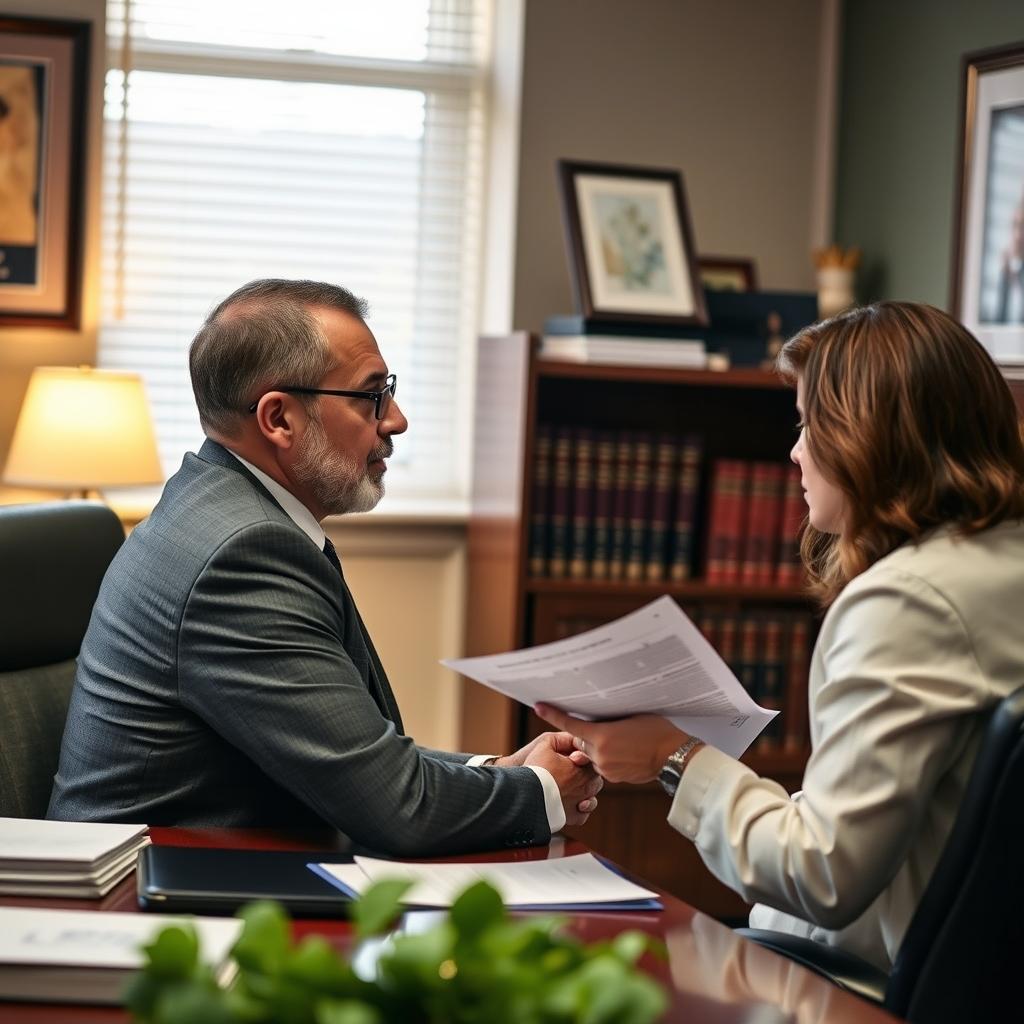
Drug Distribution Lawyer Forest Hills, DC
Drug distribution charges in the District of Columbia carry serious consequences. In Forest Hills—a residential neighborhood bordered by Van Ness and Chevy Chase DC—the prosecution of drug distribution offenses is handled by the United States Attorney’s Office for the District of Columbia, not a local district attorney. Cases are heard at the DC Superior Court, Criminal Division, located at 500 Indiana Avenue NW. Because DC is a federal territory with a unique hybrid jurisdiction, a defendant facing drug distribution allegations needs defense counsel familiar with both the local court procedures and the federal prosecutorial approach. Mr. Sris and the firm’s Of Counsel attorneys represent individuals charged with drug distribution throughout Washington, D.C., including Forest Hills. For a consultation, call (888) 437-7747. Law Offices Of SRIS, P.C. – Advocacy Without Borders.
What Drug Distribution Means in Forest Hills, DC
Drug distribution in the District of Columbia is prosecuted under the D.C. Code, which designates offenses involving the sale, delivery, or possession with intent to distribute controlled substances as serious felonies. The DC Superior Court Criminal Division is the court of original jurisdiction for these charges. Unlike many jurisdictions, DC does not use a traditional cash bail system. Instead, the Pretrial Services Agency, a federal agency, conducts a risk assessment and recommends release conditions. Most defendants are released without posting money, though release conditions may include supervision, drug testing, or travel restrictions.
Forest Hills residents charged with drug distribution will have their cases handled at the DC Superior Court, a few miles from the neighborhood, with convenient access via Connecticut Avenue and the Red Line Metro. The USAO-DC prosecutes both local D.C. Code offenses and federal drug charges, so a distribution case may involve statutes from Title 22 of the D.C. Code or, in certain circumstances, federal law under Title 21 of the United States Code. Penalties for drug distribution depend on the type and quantity of the controlled substance, the defendant’s prior record, and whether any aggravating factors are present. A conviction can result in incarceration, substantial fines, and a permanent felony record. An experienced defense attorney can work to challenge the prosecution’s evidence, negotiate with the assigned Assistant United States Attorney, and protect the defendant’s rights throughout the proceeding.
How Mr. Sris and the Firm’s Of Counsel Attorneys Handle Drug Distribution Cases
When Law Offices Of SRIS, P.C. represents a client charged with drug distribution in Forest Hills, the defense begins with a thorough review of the arrest and investigation. The firm’s approach includes examining whether law enforcement had a valid basis for any search or seizure, scrutinizing the chain of custody for any alleged controlled substances, and evaluating the reliability of any cooperating witnesses or confidential informants. Because drug distribution cases often turn on the weight of the physical evidence and the credibility of witness testimony, early attention to procedural compliance is critical.
Throughout the pretrial phase, Mr. Sris and the firm’s Of Counsel attorneys engage with the USAO-DC regarding potential resolutions. While each case is unique, the goal is always to seek a favorable outcome—whether that means dismissal of the charges, reduction to a lesser offense, or, if necessary, preparation for trial. At trial, the firm challenges the prosecution’s evidence through vigorous cross-examination and, when appropriate, presentation of defense evidence. Throughout the process, the firm’s attorneys keep the client informed about case developments and advise on the likely consequences of any decision. Because the firm is a multi-state practice, it can also address collateral consequences that may extend beyond DC, such as impacts on professional licenses or immigration status.
About Mr. Sris and the Firm’s Of Counsel Attorneys
Mr. Sris, Owner and Founder of Law Offices Of SRIS, P.C., founded the firm in 1997. A former prosecutor, Mr. Sris has a background that provides insight into how the government builds and pursues drug distribution cases. He is admitted in Virginia, Maryland, the District of Columbia, New Jersey, and New York, and he testifies regularly before the Virginia House Courts of Justice Committee—including his testimony in support of 2019 HB 635 (chief patron Del. David Bulova).
The firm’s Of Counsel attorneys bring additional experience in criminal defense and District of Columbia court practice. Their collective work in DC Superior Court includes familiarity with the Pretrial Services Agency’s release process, the USAO-DC’s charging practices, and the strategies available for challenging drug distribution allegations. Together, Mr. Sris and the firm’s Of Counsel attorneys provide representation for Forest Hills residents and others facing drug distribution charges throughout the Washington, D.C. Area. For a consultation, call (888) 437-7747.
Frequently Asked Questions
What is drug distribution under D.C. Law?
Drug distribution in the District of Columbia covers the sale, delivery, or possession with intent to distribute controlled substances, including narcotics, stimulants, depressants, and certain prescription medications. The offense is prosecuted under Title 22 of the D.C. Code, which classifies distribution offenses as felonies with penalties that vary by substance and quantity. Unlike simple possession—which has been largely decriminalized for personal-use amounts of some drugs—distribution carries a higher penalty because the alleged conduct involves trafficking or furnishing drugs to others. A person is not required to have completed a sale; possession of a controlled substance along with evidence of intent to distribute, such as packaging materials or large amounts of cash, may support a distribution charge. For case-specific guidance, reach Law Offices Of SRIS, P.C. at (888) 437-7747.
How is a drug distribution case prosecuted in DC?
Drug distribution cases in DC are prosecuted by the United States Attorney’s Office for the District of Columbia, not a local district attorney. Cases are filed in the DC Superior Court Criminal Division. After arrest, the defendant appears before a judge for presentment and a determination of release conditions through the Pretrial Services Agency. If the case proceeds beyond the initial appearance, the government may present the case to a grand jury for indictment on felony charges. The defendant has a right to counsel at all stages. Many drug distribution cases resolve through negotiated dispositions, but when a case goes to trial, the government must prove each element beyond a reasonable doubt. For a consultation about a Forest Hills drug distribution matter, call (888) 437-7747.
What should I do if I am arrested for drug distribution in Forest Hills?
If you are arrested, remain silent, do not consent to any searches, and ask to speak with an attorney. Anything you say to law enforcement can be used against you, so it is essential to assert your right to counsel before answering any questions. As soon as possible, contact a criminal defense attorney familiar with the DC Superior Court. A lawyer can advise you on your rights, communicate with the prosecutor, and begin investigating the case immediately. In DC, release decisions are made without cash bail, but the Pretrial Services Agency’s risk assessment will consider factors such as community ties and criminal history. Early legal intervention can influence this assessment. For immediate assistance, call (888) 437-7747.
What are some common defenses to drug distribution charges?
Common defenses include challenging the legality of a search or seizure, contesting the chain of custody of the alleged drugs, and disputing the government’s evidence of intent to distribute. If law enforcement violated the Fourth Amendment in obtaining the evidence, the court may suppress the drugs or other inculpatory materials. Additionally, the government must prove that the substance in question is a controlled substance and that the defendant knew of its presence and intended to distribute it. Defenses may also focus on the weakness of witness testimony, the possibility that the defendant was merely present at a location where drugs were found, or the failure of the police to follow required procedures. Each case’s defenses depend on the specific facts, so it is important to discuss your situation with an attorney. Call (888) 437-7747.
Do I need a lawyer for a drug distribution charge in DC?
Yes. Drug distribution is a felony, and a conviction can result in incarceration and a lasting criminal record; representation by an attorney is essential. A lawyer can identify procedural and constitutional issues that may lead to a dismissal or reduction of charges, negotiate with the USAO-DC, and prepare for trial. Even if you believe the evidence against you is strong, an attorney can work to mitigate the consequences and explore alternatives to incarceration where appropriate. The criminal process in DC Superior Court has specific deadlines and procedural rules, and attempting to navigate them alone can jeopardize your rights. To discuss your case with a defense attorney, call (888) 437-7747.
How does the pretrial release process work for drug distribution cases in DC?
DC does not use cash bail; instead, the Pretrial Services Agency (PSA) evaluates each defendant and recommends release conditions, which the judge may adopt. PSA interviews the defendant and reviews factors such as community ties, employment, criminal history, and the nature of the alleged offense to produce a risk assessment. The court may release the defendant on personal recognizance or impose conditions such as supervised release, drug testing, travel restrictions, or stay-away orders. For drug distribution cases, release conditions often include regular drug screening and supervision. A defense attorney can present information to the court and PSA to support the least restrictive conditions. For assistance with a Forest Hills drug distribution case, call (888) 437-7747.
Outbound Primary-Source Authority Links
- D.C. Code Title 22 — Criminal Offenses and Penalties
- DC Superior Court — Criminal Division
- United States Attorney’s Office for the District of Columbia
Attorney advertising. Prior results do not guarantee a similar outcome. Results may vary. Cases are handled by Mr. Sris and the firm’s Of Counsel attorneys. All attorneys are licensed in the jurisdictions listed. Contact Law Offices Of SRIS, P.C. at (888) 437-7747 to request a consultation. Our Arlington location serves clients in Forest Hills and throughout the District of Columbia.
Case results depend on a variety of factors unique to each case.