
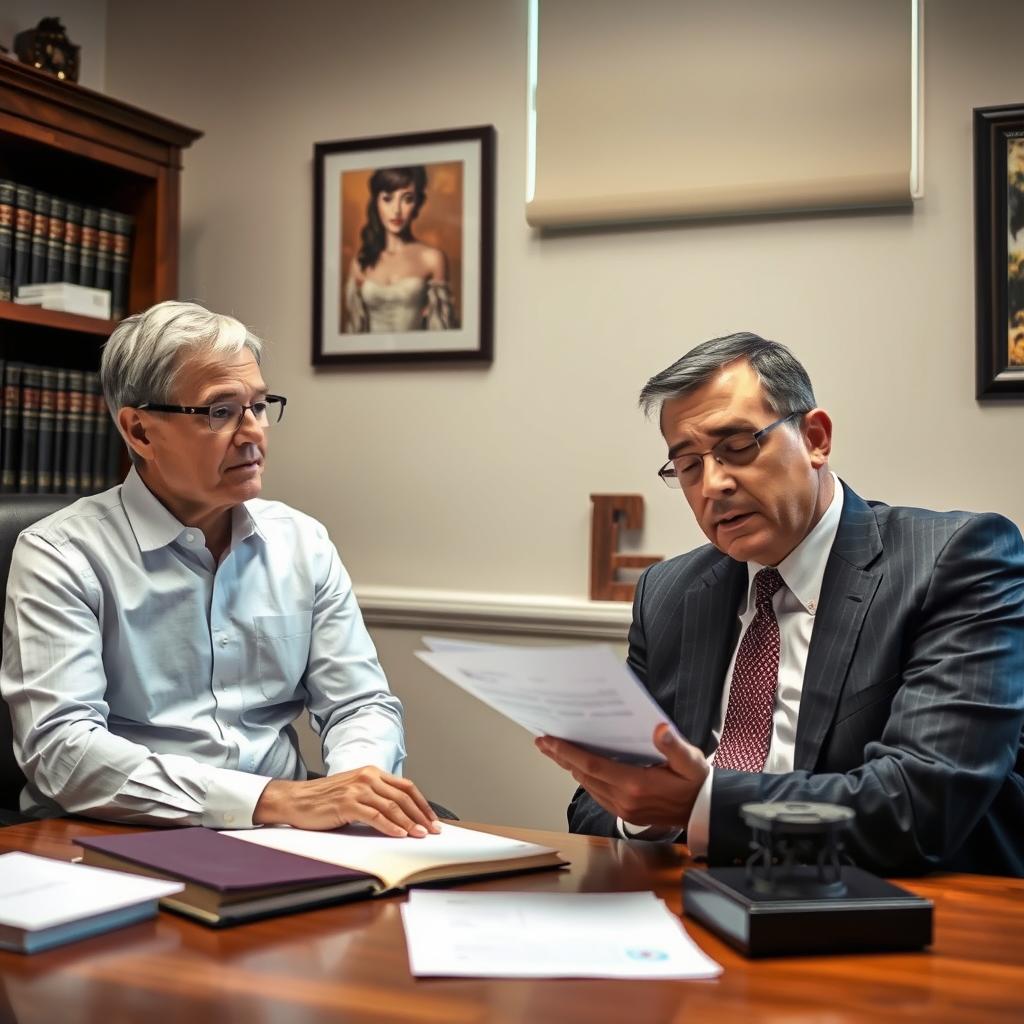
Graffiti Defense Lawyer Capitol Hill, DC
You were arrested for allegedly spray-painting a mural on a building near Eastern Market, or perhaps a friend tagged a Metro station and your name came up in the investigation. Now you face criminal charges in the Superior Court of the District of Columbia, and the United States Attorney’s Office—not a local district attorney—will prosecute you. A graffiti charge in Capitol Hill is not just a minor vandalism ticket; it can be a criminal offense with lasting consequences, including a permanent record, incarceration, and restitution obligations. Because the District of Columbia is a federal district where local crimes are prosecuted by federal prosecutors, the process is different than in Virginia or Maryland. Mr. Sris and the firm’s Of Counsel attorneys understand the DC criminal justice system, including the Pretrial Services Agency release mechanism and the record-sealing options available under D.C. Law. If you are facing a graffiti-related charge, experienced defense counsel can assess the strength of the government’s evidence, explore diversion opportunities, and work toward a favorable resolution. Reach Law Offices Of SRIS, P.C. at (888) 437-7747 to schedule a consultation. Law Offices Of SRIS, P.C. – Advocacy Without Borders.
What Graffiti Defense Means in Capitol Hill, DC
Graffiti, often charged as destruction of property or malicious mischief under the D.C. Criminal Code (Title 22), is taken seriously by prosecutors in the District. Because the USAO-DC handles all local criminal prosecutions in addition to federal offenses, a Capitol Hill gra graffit case moves through a unique hybrid jurisdiction. The charges may be filed as a misdemeanor or a felony depending on the extent of the alleged damage, the value of the property, and whether the defendant has prior convictions. Cases are heard at the DC Superior Court, located at 500 Indiana Avenue NW, just a short distance from the Capitol Hill neighborhood by Metro at Judiciary Square.
Capitol Hill encompasses the H Street Corridor, Lincoln Park, and the blocks around the U.S. Capitol itself, areas with a high concentration of historic and government buildings. Alleged graffiti on federal property can bring additional scrutiny, though local prosecutions generally proceed under D.C. Code provisions. The DC Pretrial Services Agency conducts a risk assessment after arrest and recommends release conditions; DC does not use a cash bail system for most offenses. This means that even a first-offense graffiti charge can result in pretrial supervision requirements while your case is pending. An attorney familiar with how the USAO-DC screens and negotiates these cases can identify factual weaknesses, seek a dismissal or amendment, or advocate for a diversion program when appropriate.
How Mr. Sris and the Firm’s Of Counsel Handle Graffiti Defense Cases
Defending a graffiti charge in the District begins with a careful review of the prosecution’s evidence: surveillance footage, witness statements, forensic analysis of the paint or ink, and any statements you made to police. Mr. Sris, a former prosecutor, and the firm’s Of Counsel attorneys scrutinize whether the government can prove beyond a reasonable doubt that you were the person who committed the act, and whether the alleged damage meets the statutory threshold for the charged offense. If the evidence is weak or if your constitutional rights were violated during the investigation, they may move to suppress evidence or seek dismissal.
In many cases, the goal is to avoid a conviction that would become part of a permanent criminal record. Counsel may negotiate with the Assistant United States Attorney to amend the charge to a lesser offense or to resolve the matter through a deferred prosecution agreement or community service. When the case is contested, Mr. Sris and the firm’s Of Counsel attorneys prepare for trial, presenting a defense that challenges identification, intent, or the extent of property damage. Throughout the process, they explain each step and help clients understand how a successful outcome can protect their employment, immigration status, and future opportunities.
About Mr. Sris and the Firm’s Of Counsel Attorneys
Mr. Sris is the Owner and Founder of Law Offices Of SRIS, P.C. He is a former prosecutor who brings an insider’s perspective to criminal defense. He is admitted to practice in Virginia, Maryland, the District of Columbia, New Jersey, and New York, and has been practicing since 1997. Mr. Sris testified before the Virginia House Courts of Justice Committee in support of 2019 HB 635 (chief patron Del. David Bulova).
The firm’s Of Counsel attorneys bring extensive combined legal experience and appear regularly in DC Superior Court on matters ranging from minor property offenses to serious felonies. Together, Mr. Sris and the firm’s Of Counsel attorneys work to achieve favorable outcomes for clients facing criminal charges in Capitol Hill and throughout the District of Columbia. Results may vary.
Frequently Asked Questions
Who prosecutes graffiti cases in Washington, D.C.?
Graffiti cases in D.C. Are prosecuted by the United States Attorney’s Office for the District of Columbia (USAO-DC), not a local district attorney. Because Washington, D.C. Is a federal district, all local crimes—including vandalism and property damage—are prosecuted by federal Assistant United States Attorneys in DC Superior Court. This unique structure means that the prosecution’s resources and approach can differ from state-level prosecutions. The USAO-DC handles everything from petty offenses to serious felonies, and your case will be heard at 500 Indiana Avenue NW rather than in a state courthouse.
Is graffiti a felony or a misdemeanor in D.C.?
The classification of a graffiti charge depends on the value of the property damage and the circumstances of the offense. Under D.C. Code Title 22, destruction of property is graded from a misdemeanor to a felony based on the dollar amount of the damage. A first-offense involving minor damage may be charged as a misdemeanor, while more extensive damage or repeat offenses can lead to felony charges with more severe potential penalties. The specific charge is determined by the prosecutor, and an experienced defense attorney can challenge the valuation of the alleged damage, which may affect the charge level.
What are the possible legal consequences of a graffiti conviction in D.C.?
A conviction for graffiti or destruction of property can result in incarceration, fines, restitution, and a permanent criminal record. The court may order you to pay the cost of repairing the damaged property. A criminal record can affect employment, professional licensing, and housing opportunities. For non-citizens, certain property offenses may have immigration consequences. However, the DC Superior Court may offer alternative resolutions such as deferred sentencing or community service, especially for first offenders. The Pretrial Services Agency handles release decisions, and DC does not use cash bail for most defendants.
Can graffiti charges be dropped or reduced in D.C.?
Yes, graffiti charges can be dismissed or reduced depending on the evidence, the defendant’s background, and the prosecutor’s discretion. If the government cannot prove beyond a reasonable doubt that you committed the offense, or if the evidence was obtained in violation of your constitutional rights, a motion to suppress or dismiss may succeed. In some cases, an Assistant United States Attorney may agree to amend the charge, offer a diversion program, or resolve the case through a deferred disposition. An attorney who has experience with the USAO-DC’s practices in the Superior Court can advocate for favorable outcomes.
Do I need a lawyer for a graffiti charge in Capitol Hill?
You are not required to hire a lawyer, but legal representation is strongly advisable. Even a seemingly minor vandalism charge can have long-term consequences, and the criminal justice process in DC Superior Court is complex. The USAO-DC prosecutes actively, and without counsel you may miss opportunities to challenge the evidence or negotiate a more favorable resolution. An experienced defense attorney can protect your rights, explain your options, and work toward minimizing the impact on your record. A consultation can help you understand the specific risks you face.
Can my DC criminal record for graffiti be sealed or expunged?
DC law allows record sealing for certain graffiti-related charges under D.C. Code § 16-803 if you were acquitted, the case was dismissed, or after a waiting period for qualifying convictions. The availability of sealing depends on factors such as the outcome of your case and whether you have any subsequent arrests. Marijuana-related offenses have expanded sealing eligibility, but property offenses follow the general sealing rules. An experienced attorney can evaluate your eligibility and file the petition in DC Superior Court. For guidance on your specific situation, reach Law Offices Of SRIS, P.C. at (888) 437-7747.
Related criminal defense pages:
- Washington, D.C. Criminal Defense
- Georgetown Criminal Lawyer
- Spring Valley Criminal Lawyer
- Cleveland Park Criminal Lawyer
- Chevy Chase Criminal Lawyer
Primary legal resources:
- D.C. Criminal Code (Title 22)
- DC Superior Court
- United States Attorney’s Office for the District of Columbia
Attorney advertising. Prior results do not guarantee a similar outcome. Case results depend on a variety of factors unique to each case. Results may vary.
The Arlington location of Law Offices Of SRIS, P.C. serves clients in Capitol Hill, DC. By appointment only. Call (888) 437-7747 to schedule.