
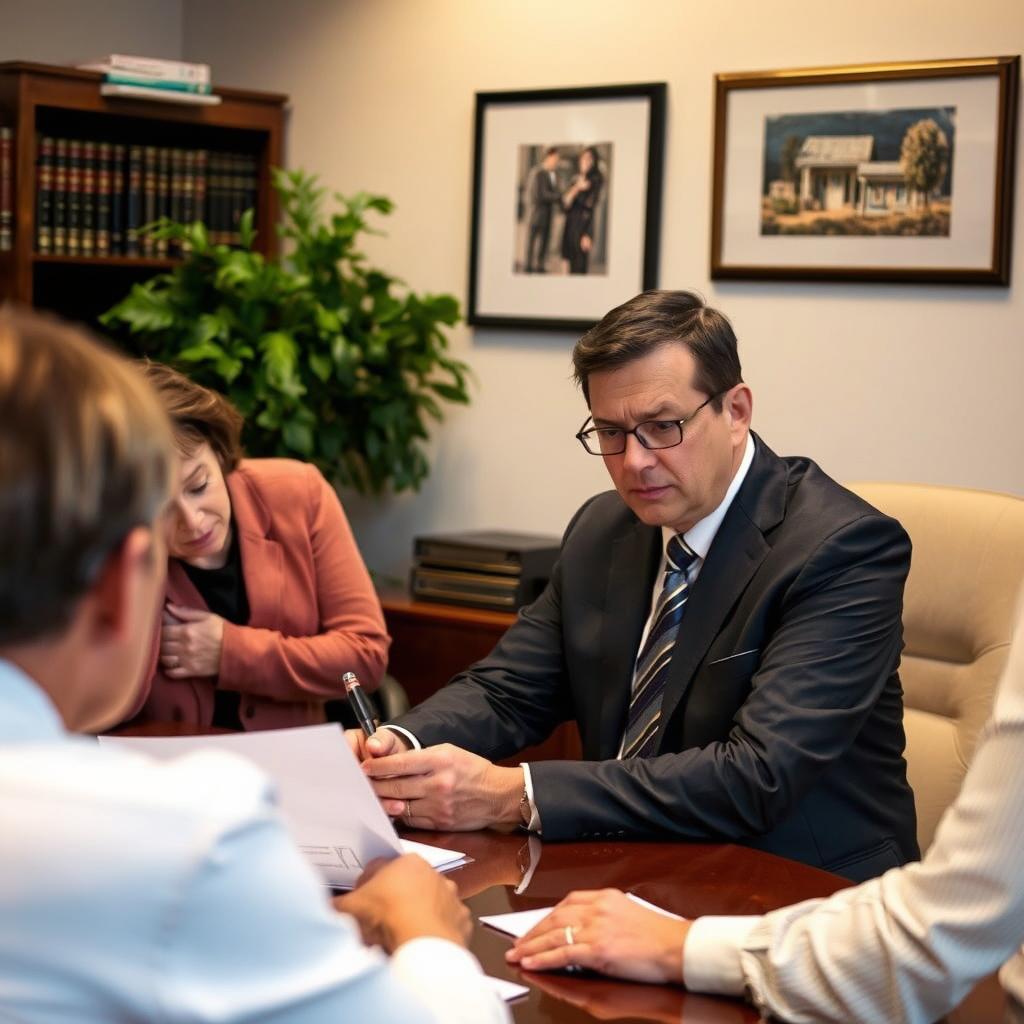
Harassment Lawyer American University Park, DC
Allegations of harassment in the District of Columbia carry serious consequences. American University Park residents who learn they are the subject of a criminal complaint often have questions about the process and what to do next. Harassment offenses fall under D.C. Code Title 22 and are prosecuted by the United States Attorney’s Office for the District of Columbia, not a local district attorney. Cases are heard at the D.C. Superior Court, Criminal Division, located at 500 Indiana Avenue NW, Washington, D.C. 20001. Law Offices Of SRIS, P.C. assists individuals in American University Park and throughout Washington, D.C., who are facing harassment charges. With experience in the D.C. Court system since 1997, Mr. Sris and the firm’s Of Counsel attorneys can evaluate the prosecution’s evidence and explain the options available. To request a consultation, call (888) 437‑7747. Law Offices Of SRIS, P.C. – Advocacy Without Borders.
What Criminal Harassment Means in American University Park
American University Park is a residential neighborhood in Northwest Washington, D.C., bordered by Tenleytown, Spring Valley, and the Maryland state line. Any criminal charge arising in this neighborhood is prosecuted in the D.C. Superior Court, which has jurisdiction over local crimes under the D.C. Code. Harassment may be charged as a misdemeanor or a felony depending on the alleged conduct and any prior offenses. The United States Attorney’s Office for D.C. Handles the prosecution, and the process from initial appearance through trial follows the rules of the Superior Court’s Criminal Division. Because D.C. Does not use a cash‑bail system, the Pretrial Services Agency (a federal agency) conducts a risk assessment and recommends release conditions to the court. This unique framework means a defendant’s first court appearance often focuses on release terms rather than a monetary bond. A lawyer who is familiar with D.C. Pretrial Services Agency procedures can present information that may affect the release recommendation. Our firm’s Of Counsel attorneys appear regularly in D.C. Superior Court and understand the local practices that apply in harassment cases.
The legal definition of harassment in the District of Columbia is found in D.C. Code § 22‑404.01 and related provisions. Harassment generally involves a course of conduct directed at a specific person that is intended to seriously alarm, annoy, or frighten that individual. A single incident, if sufficiently threatening, may also support a charge. Prosecutors must prove the defendant’s intent beyond a reasonable doubt. The evidence often includes text messages, emails, social‑media posts, voicemails, and testimony from the alleged victim. Because digital communication is frequently central to these cases, a defense strategy may involve examining the reliability and context of electronic records. The penalties upon conviction can include incarceration, probation, fines, and a permanent criminal record. A conviction may also affect employment opportunities, security‑clearance eligibility, and professional licenses. Every harassment case is fact‑specific, and the outcome can be influenced by the strength of the evidence, the credibility of witnesses, and the availability of any affirmative defenses. An experienced defense attorney can review the charging documents, identify legal issues, and negotiate with the prosecutor for a reduced charge or dismissal where the facts warrant.
How Law Offices Of SRIS, P.C. handles Harassment Cases
When a client contacts the firm about a harassment charge in American University Park, the initial step is to obtain a complete understanding of the allegations and the evidence. Mr. Sris and the firm’s Of Counsel attorneys review police reports, witness statements, electronic communications, and any other materials the government has disclosed. This review often reveals procedural defects, weaknesses in the chain of custody of digital evidence, or constitutional issues that can be raised through pretrial motions. Early involvement of counsel is critical because the government may make plea offers shortly after the first court appearance. The firm’s attorneys advise clients on the likelihood of success at trial, the potential consequences of accepting a plea, and the benefits of proceeding to a contested hearing. Throughout the process, the firm works to protect the client’s rights while pursuing a resolution that minimizes the long‑term impact of a criminal charge.
If a harassment case proceeds to trial in D.C. Superior Court, the firm’s attorneys prepare a defense that challenges every element of the prosecution’s proof. This may involve cross‑examining the complaining witness, presenting third‑party witnesses, and retaining a digital‑forensics experienced attorney to analyze the electronic records the prosecution relies upon. D.C. Juries are drawn from across the city, and a defense that is tailored to the facts of the case—rather than a generic strategy—tends to be more effective. The legal team also evaluates whether the client is eligible for diversion programs or deferred‑disposition agreements that, if successfully completed, can result in dismissal of the charge. The firm’s approach is methodical and grounded in the specifics of D.C. Criminal practice. Mr. Sris and the firm’s Of Counsel attorneys bring extensive combined legal experience. Results may vary.
About Mr. Sris and the Firm’s Of Counsel Attorneys
Mr. Sris is the Owner and Founder of Law Offices Of SRIS, P.C. A former prosecutor, he founded the firm in 1997 and is admitted to practice in Virginia, Maryland, the District of Columbia, New Jersey, and New York. His background in prosecution provides insight into how the government builds its harassment cases in D.C. Superior Court. Mr. Sris testified before the Virginia House Courts of Justice Committee in support of 2019 HB 635 (chief patron Del. David Bulova).
The firm’s Of Counsel attorneys handle criminal defense matters in the District of Columbia and bring decades of combined courtroom experience. They appear regularly in D.C. Superior Court and are familiar with the procedures of the Criminal Division. Of Counsel attorneys who practice in D.C. Are admitted to the D.C. Bar and to all federal, state, and local courts in the jurisdiction. Their experience includes challenging digital evidence and negotiating with Assistant United States Attorneys. The firm serves clients throughout American University Park and the surrounding neighborhoods, offering consultation by appointment.
Frequently Asked Questions
What conduct qualifies as harassment under D.C. Law?
A course of conduct directed at a specific person that is intended and reasonably likely to alarm, annoy, or seriously frighten that individual can be charged as harassment under D.C. Code § 22‑404.01. The statute covers repeated unwanted contact, including phone calls, texts, emails, and in‑person following. The government must prove that the defendant acted with the specific intent to cause emotional distress. A single incident may be prosecuted if it involves an explicit threat. Defenses may include lack of intent, constitutionally protected speech, or insufficient evidence of a “course of conduct.” For guidance on your specific situation, reach Law Offices Of SRIS, P.C. at (888) 437‑7747.
Who prosecutes harassment charges in Washington, D.C.?
Criminal cases in D.C. Are prosecuted by the United States Attorney’s Office for the District of Columbia (USAO‑DC), not a local district attorney. The District of Columbia is a federal district, and the USAO‑DC handles violations of the D.C. Code. The prosecution is conducted by Assistant United States Attorneys who appear in D.C. Superior Court. The police department that investigates the alleged harassment—most often the Metropolitan Police Department—refers the case to the U.S. Attorney’s Office for a charging decision. This federal‑prosecution model is unique among U.S. Jurisdictions.
Can a harassment charge be expunged or sealed in D.C.?
Yes, D.C. Law allows record sealing for acquittals, dismissals, and certain qualifying convictions after waiting periods. Under D.C. Code § 16‑803, a person who is acquitted or whose charge is dismissed may petition the court to seal the related criminal records. For a conviction, eligibility depends on the offense and the time since completion of the sentence. Marijuana‑related offenses have expanded sealing options. The petition is filed in D.C. Superior Court, and an attorney can advise on whether your harassment case qualifies. To discuss the details of your matter, contact Law Offices Of SRIS, P.C. at (888) 437‑7747.
Do I need a lawyer if I am charged with harassment?
While you are not legally required to hire counsel, an attorney can identify defenses, negotiate with the prosecutor, and represent you at every stage of the proceeding. Harassment charges can result in a criminal record, jail time, and collateral consequences such as loss of a security clearance or professional license. The U.S. Attorney’s Office has experienced prosecutors who handle these cases routinely. Having a lawyer who understands D.C. Criminal procedure gives you the opportunity to present a defense, challenge the evidence, and seek a dismissal or reduction of the charge. For a consultation, reach Mr. Sris and the firm’s Of Counsel attorneys at (888) 437‑7747.
How long does a harassment case take in D.C. Superior Court?
The timeline for a harassment case depends on the complexity of the evidence, court scheduling, and whether the case resolves by plea or goes to trial. A misdemeanor harassment case may be tried within a few months of arraignment, while a felony case can take longer because of grand‑jury presentation and pretrial motions. The court’s docket, the availability of witnesses, and any competency evaluations can also affect the schedule. A defense attorney can provide a more specific estimate after reviewing the charging documents and discussing the case with the assigned prosecutor.
What should I do if I am accused of harassment in American University Park?
If you believe you are under investigation or have been charged, avoid any contact with the accuser and do not discuss the case on social media. Preserve all electronic communications and do not delete text messages, emails, or voicemails that may later be relevant to your defense. Contact an attorney before speaking with law enforcement. Anything you say to police may be used against you. An attorney can communicate with investigators on your behalf and help protect your rights. Law Offices Of SRIS, P.C. can be reached at (888) 437‑7747 to request a consultation.
Primary sources: D.C. Code Title 22 – Criminal Offenses and Penalties · D.C. Superior Court · United States Attorney’s Office for the District of Columbia
Attorney advertising. Prior results do not guarantee a similar outcome. Results may vary.
Case results depend on a variety of factors unique to each case.