
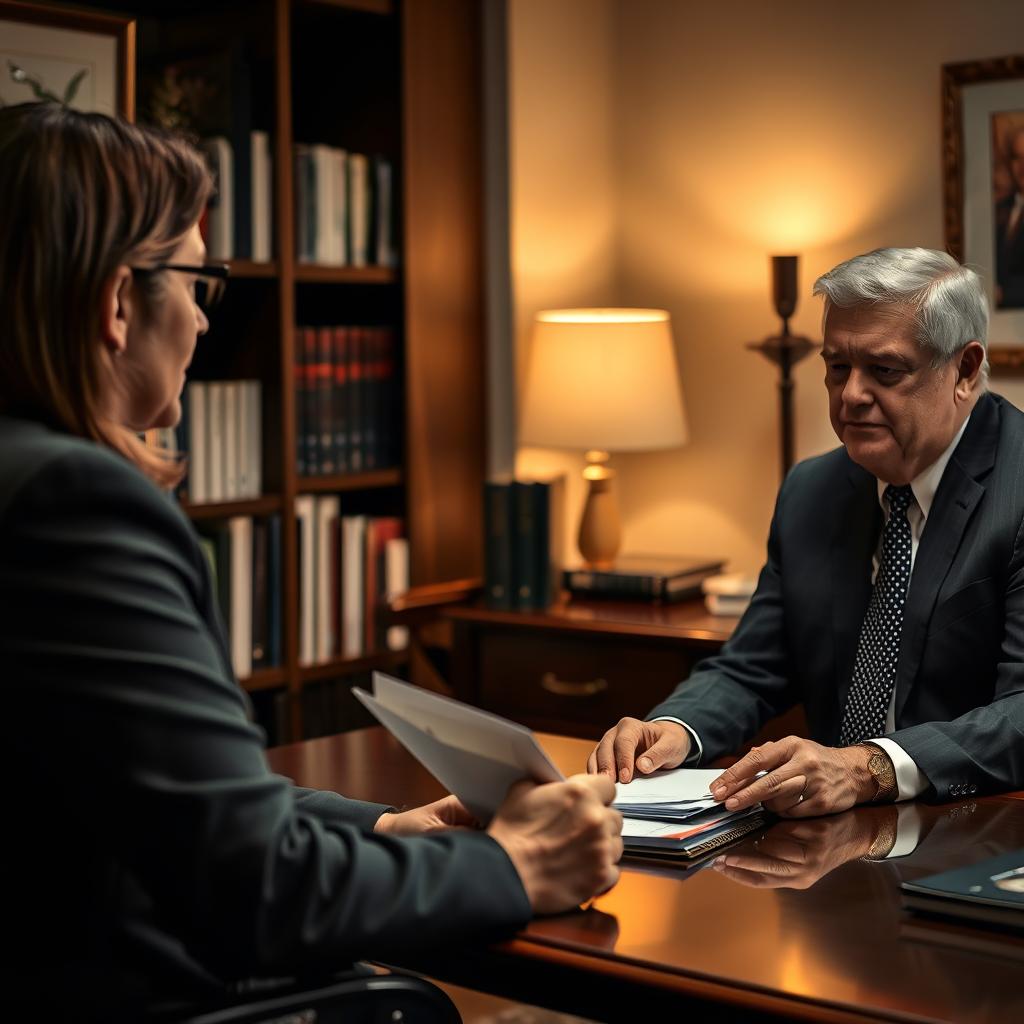
Harassment Lawyer Southwest Waterfront, DC
When you face a criminal harassment allegation in Washington, D.C.’s Southwest Waterfront neighborhood, the stakes are immediate and serious. The Southwest Waterfront is a vibrant part of the District, close to The Wharf, Nationals Park, and the bustling Navy Yard, but its residents and visitors can still find themselves involved in disputes that lead to harassment charges in D.C. Superior Court. Because D.C. Is a unique federal territory, criminal harassment cases here are prosecuted by the United States Attorney’s Office—not a local district attorney—and the Pretrial Services Agency handles release decisions without traditional cash bail. Having counsel who understands the local court process and the hybrid federal-local nature of D.C. Justice is essential. Mr. Sris and the firm’s Of Counsel attorneys assist clients across Southwest Waterfront and the wider District. Reach Law Offices Of SRIS, P.C. at (888) 437-7747 to request a consultation. Law Offices Of SRIS, P.C. – Advocacy Without Borders.
What Harassment Means in Southwest Waterfront, DC
Harassment charges in the District of Columbia can arise from a range of behaviors—repeated unwanted contact, threatening communications, or conduct that places another person in reasonable fear. These matters are handled at D.C. Superior Court (Criminal Division), located at 500 Indiana Avenue NW, accessible via the Judiciary Square Metro Red Line station. Southwest Waterfront residents and workers, whether near the marina or along M Street SW, fall under the jurisdiction of the Metropolitan Police Department (MPD), which makes arrests and forwards cases to the U.S. Attorney’s Office for prosecution.
Because D.C. Is not a state, its criminal process blends federal and local elements. The U.S. Attorney’s Office for the District of Columbia (USAO-DC) prosecutes violations of the D.C. Code, including harassment, stalking, and related offenses under Title 22 of the D.C. Code. An arrest in Southwest Waterfront follows the same procedures as anywhere else in the District: an initial appearance within 24 hours, a review by the Pretrial Services Agency (PSA) to determine release conditions, and a subsequent status or trial date. The PSA, a federal agency, does not rely on cash bail for most defendants; instead, it recommends supervised release, stay-away orders, or other conditions. Anyone accused of harassment in D.C. Should understand that the case will move through a federal prosecutor’s office, even though the charge is a local D.C. Code offense. Having a lawyer who is experienced with the Superior Court and familiar with both the MPD and USAO-DC processes can make a significant difference in how the matter is resolved.
How Mr. Sris and the Firm’s Of Counsel Attorneys Handle Harassment Cases
Every harassment case starts with a thorough review of the facts and the charging documents. The firm’s criminal defense team, working from its Arlington location just across the Potomac River, examines the specific allegations, the evidence the government intends to use, and the procedural history of the arrest. Because D.C. Uses the PSA for release decisions, an early focus is often negotiating a release package that protects the client’s interests while showing the court that the accused is not a flight risk or a danger to the community.
Once the immediate custody issues are addressed, Mr. Sris and the firm’s Of Counsel attorneys concentrate on building a defense that fits the circumstances. That can involve challenging the sufficiency of the government’s evidence, seeking to exclude unreliable witness statements, negotiating a reduction or dismissal with the U.S. Attorney’s Office, or preparing for trial. The goal is always to work toward the most favorable outcome possible while keeping the client informed at every stage. Because Southwest Waterfront matters are heard at the same D.C. Superior Court as cases from across the District, the legal team is thoroughly acquainted with judicial practices, local courtroom procedures, and the expectations of the prosecutors assigned to the Criminal Division.
Harassment allegations can carry consequences beyond a criminal record—protective orders, employment repercussions, and immigration implications for non-citizens. The firm’s holistic approach considers all of these angles, coordinating with other counsel when necessary to shield clients from collateral damage. Mr. Sris and the firm’s Of Counsel attorneys have documented case results across all practice areas since 1997. Results may vary.
About Mr. Sris and the Firm’s Of Counsel Attorneys
Mr. Sris, Owner and Founder of Law Offices Of SRIS, P.C., has practiced criminal defense since establishing the firm in 1997. A former prosecutor, Mr. Sris understands how the government builds its cases—an insight that directly benefits clients facing harassment charges in D.C. Superior Court. He testified before the Virginia House Courts of Justice Committee in support of 2019 HB 635 (chief patron Del. David Bulova) and brings that same dedication to every defense matter the firm handles. Mr. Sris is admitted in Virginia, Maryland, the District of Columbia, New Jersey, and New York.
The firm’s Of Counsel attorneys, who work alongside Mr. Sris on criminal defense matters, add deep litigation experience and a familiarity with D.C. Superior Court that is essential in a jurisdiction where the U.S. Attorney’s Office prosecutes local crimes. Together, Mr. Sris and the firm’s Of Counsel attorneys bring extensive combined legal experience to harassment and other criminal cases. When you contact Law Offices Of SRIS, P.C., you reach a team that is prepared to protect your rights in the District’s unique hybrid justice system.
Frequently Asked Questions
What acts can lead to a harassment charge in D.C.?
Harassment charges in D.C. Generally involve a course of conduct directed at a specific person that is intended to cause serious alarm, fear, or emotional distress. This can include repeated unwanted phone calls, text messages, emails, social media contacts, following someone, or appearing at their home or workplace after being told to stop. The D.C. Code, primarily under Title 22, criminalizes behaviors such as stalking, threats, and disorderly conduct, and a harassment charge may be filed as a misdemeanor or, in aggravated situations, a felony. Because the law looks at a pattern of behavior, a single argument or isolated message usually does not rise to the level of criminal harassment, but a series of contacts after a clear request to cease may result in prosecution by the U.S. Attorney’s Office for the District of Columbia.
What should I do if I am arrested for harassment in Southwest Waterfront?
Exercise your right to remain silent and ask to speak with an attorney. Do not discuss the facts with police or anyone else until you have legal representation. After an arrest, you will be taken for booking and then appear before a judge at D.C. Superior Court, usually within 24 hours. The Pretrial Services Agency will interview you and make a release recommendation to the court. Contact an experienced criminal defense attorney as soon as possible so that counsel can work on your release conditions and begin examining the charges. Prompt legal intervention can influence whether you are released on personal recognizance, with supervision, or held, and can also set the tone for the entire case. Reach Law Offices Of SRIS, P.C. at (888) 437-7747.
Is harassment a misdemeanor or a felony in the District of Columbia?
Harassment is typically charged as a misdemeanor, but related offenses such as stalking or threats can be charged as felonies if aggravating factors are present. Simple harassment, often prosecuted under general disorderly conduct or telephone harassment statutes, carries a maximum penalty of up to 180 days in jail and a fine. However, if the alleged conduct involved a weapon, violation of a protective order, or repeated stalking, the U.S. Attorney’s Office may pursue felony charges with significantly longer potential incarceration. An attorney can evaluate the specific counts in your case and advise on the appropriate defense strategy based on the severity of the charges.
How does the DC court process work for a harassment case?
After arrest, the case begins with an arraignment where the defendant is formally informed of the charges and enters a plea. The court then schedules status hearings where the prosecution and defense may discuss potential resolution or prepare for trial. Because D.C. Does not use cash bail for most defendants, the Pretrial Services Agency’s risk assessment largely determines release conditions throughout the case. Misdemeanor harassment cases often move more quickly than felonies, but the exact timeline depends on court scheduling and the complexity of the matter. During this process, your attorney can file motions, negotiate with the U.S. Attorney’s Office, and if necessary, take the case to trial. Mr. Sris and the firm’s Of Counsel attorneys guide clients through each procedural step.
Do I need a lawyer if I am facing a harassment charge in DC?
Retaining a criminal defense lawyer is strongly advisable because a harassment conviction can create a permanent record, affect employment, and trigger protective orders. Even a seemingly minor harassment allegation carries legal consequences that can echo for years. An attorney can challenge weak evidence, identify procedural errors, and negotiate for alternatives to conviction such as diversion or deferred sentencing. The unique structure of D.C.’s justice system—where federal prosecutors handle local crimes—makes familiarity with both the D.C. Code and Superior Court practice essential. For guidance on your specific situation, reach Law Offices Of SRIS, P.C. at (888) 437-7747.
Related Legal Resources:
- Criminal Defense Lawyer Washington, D.C.
- Navy Yard DC Criminal Defense
- Capitol Hill Criminal Defense
Official authority sources:
Attorney advertising. Prior results do not guarantee a similar outcome.
Case results depend on a variety of factors unique to each case.