
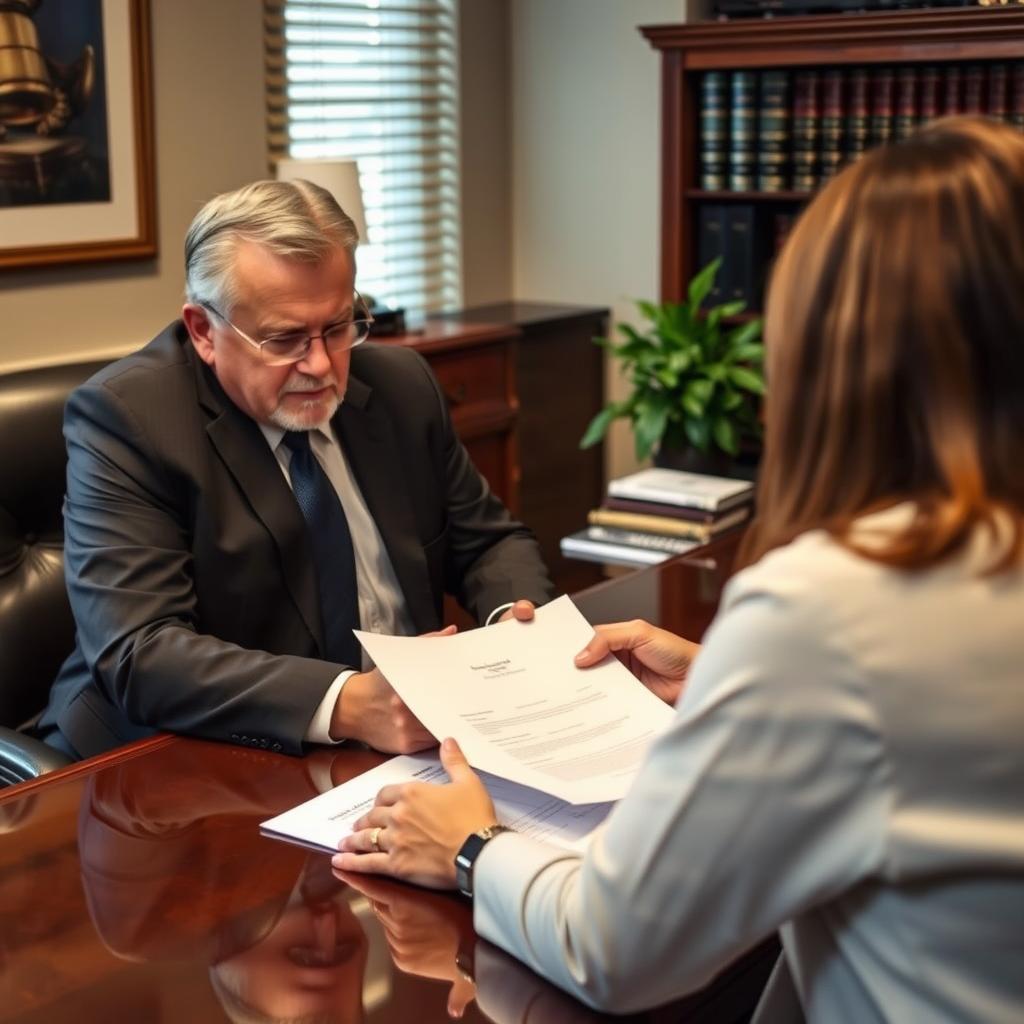
Obstruction of Justice Lawyer Albemarle County
An Obstruction of Justice Lawyer Albemarle County defends against charges for interfering with law enforcement or court proceedings. These are serious felony offenses under Virginia law. Law Offices Of SRIS, P.C.—Advocacy Without Borders. provides immediate defense for Albemarle County residents. Our attorneys challenge evidence and procedural errors. Contact our Albemarle County Location for a case review. (Confirmed by SRIS, P.C.)
Statutory Definition of Obstruction in Virginia
Virginia Code § 18.2-460 defines obstruction of justice as a Class 1 misdemeanor or a Class 5 felony, with a maximum penalty of 12 months in jail or up to 10 years in prison. The statute criminalizes acts that obstruct a law enforcement officer, judge, or other official in their duties. This includes providing false information, fleeing, or using force. The specific charge and penalty depend on the nature of the interference. A simple obstruction without force is typically a misdemeanor. Using threats or force elevates the charge to a felony. Tampering with physical evidence is a separate felony under § 18.2-461. Federal obstruction charges can also apply in Albemarle County. These are prosecuted in the United States District Court. Federal penalties are often more severe than state charges. An Obstruction of Justice Lawyer Albemarle County must understand both code sections.
Virginia Code § 18.2-460 — Misdemeanor/Felony — Max 12 months jail or 10 years prison. This statute makes it illegal to obstruct any law enforcement officer, judge, magistrate, or other person known to be engaged in their official duties. Obstruction includes knowingly giving false information to mislead an officer. It also includes fleeing from a lawful stop or arrest. Any act of force or threat of force transforms the offense into a felony. The prosecution must prove you acted willfully to impede an official proceeding.
What is the difference between misdemeanor and felony obstruction?
Misdemeanor obstruction involves non-violent interference like lying or passive resistance. This is charged under § 18.2-460(A) as a Class 1 misdemeanor. The maximum penalty is 12 months in jail and a $2,500 fine. Felony obstruction involves threats or force against an officer. This is charged under § 18.2-460(B) or (C) as a Class 5 felony. A Class 5 felony carries a potential prison term of 1 to 10 years. The judge can also impose up to 12 months in jail. Your criminal history heavily influences the final sentence.
How does Virginia define tampering with evidence?
Tampering with evidence is a separate felony under Virginia Code § 18.2-461. It is a Class 5 felony with a maximum 10-year prison sentence. The law prohibits altering, destroying, or concealing physical evidence. The intent must be to affect the outcome of an investigation or trial. This charge often accompanies other serious offenses in Albemarle County. A tampering with evidence lawyer Albemarle County must attack the prosecution’s proof of intent.
Can you face federal obstruction charges in Albemarle County?
Yes, federal obstruction charges can arise from investigations by the FBI or other federal agencies. These are prosecuted under Title 18 of the U.S. Code. Common federal statutes include 18 U.S.C. § 1503 (influencing a juror) and § 1512 (witness tampering). Federal penalties frequently involve multi-year prison sentences. A federal obstruction defense lawyer Albemarle County is essential for these cases. The federal court for Albemarle County is in Charlottesville.
The Insider Procedural Edge in Albemarle County
Obstruction cases in Albemarle County are heard in the Albemarle County General District Court and Circuit Court. The Albemarle County General District Court is located at 501 E Jefferson St, Charlottesville, VA 22902. Misdemeanor charges start in General District Court. Felony charges begin with a preliminary hearing there. If bound over, the case proceeds to Circuit Court. The Albemarle County Circuit Court is at 501 E Jefferson St, Room 202, Charlottesville, VA 22902. Filing fees and court costs are set by the state. Procedural specifics for Albemarle County are reviewed during a Consultation by appointment at our Albemarle County Location. The local court docket moves quickly. Missing a date can result in a bench warrant. Early attorney involvement is critical for managing deadlines.
What is the typical timeline for an obstruction case?
A misdemeanor obstruction case can resolve in a few months if not appealed. A felony case often takes a year or more to conclude. The preliminary hearing occurs within a few months of arrest. The Circuit Court trial is scheduled months after that. Motions to suppress evidence can add significant time. An experienced attorney can sometimes expedite a resolution. Delays generally favor the defense by weakening witness memories.
What are the court costs and filing fees?
Virginia court costs are standardized but vary by case stage. A conviction in General District Court incurs several hundred dollars in costs. Circuit Court trials involve higher filing and jury fees. Fines are separate from these mandatory court costs. The judge has discretion over fine amounts based on the offense. An attorney can often negotiate to reduce or waive certain fines. Payment plans are sometimes available through the court clerk. Learn more about Virginia legal services.
Penalties & Defense Strategies
The most common penalty range for a first-time misdemeanor obstruction is a fine and probation, though jail is possible. Penalties escalate sharply for felony convictions or repeat offenses. The Albemarle County Commonwealth’s Attorney seeks jail time for felony obstruction. They also seek convictions that create a permanent criminal record. A strong defense challenges the officer’s perception of the event. It also questions whether your actions were truly willful. Constitutional violations during the arrest can lead to dismissed charges.
| Offense | Penalty | Notes |
|---|---|---|
| Obstruction of Justice (Misdemeanor) | Up to 12 months jail, $2,500 fine | Class 1 Misdemeanor under § 18.2-460(A). |
| Obstruction of Justice (Felony) | 1 to 10 years prison, or up to 12 months jail | Class 5 Felony under § 18.2-460(B) or (C). |
| Tampering with Evidence | 1 to 10 years prison | Class 5 Felony under § 18.2-461. |
| Federal Obstruction of Justice | Years in federal prison, significant fines | Prosecuted under U.S. Code Title 18. |
[Insider Insight] Albemarle County prosecutors treat obstruction charges seriously, especially if an officer was allegedly assaulted. They often use these charges as use in plea negotiations for other offenses. An early, strategic defense can prevent this use from being used against you.
How does an obstruction conviction affect your driver’s license?
An obstruction conviction does not directly trigger a license suspension in Virginia. However, if the obstruction involved fleeing a traffic stop, the DMV may take separate action. The court can also impose driving restrictions as a condition of probation. Any probation violation can lead to a suspended license. A felony conviction can impact commercial driving privileges permanently. Discuss all collateral consequences with your attorney.
What are the best defenses against obstruction charges?
The best defense is that you lacked the intent to obstruct. You may have been confused or acting under duress. Another defense is that the officer was not engaged in a lawful duty. If the stop or arrest was illegal, your resistance may be justified. Witness testimony and body camera footage are crucial evidence. An attorney files motions to exclude improperly obtained evidence. A successful motion can force the prosecution to drop the case.
Why Hire SRIS, P.C. for Your Albemarle County Case
Our lead attorney for obstruction cases is a former prosecutor with over 15 years of trial experience in Virginia courts. He knows how local prosecutors build these cases. SRIS, P.C. has defended numerous clients against obstruction charges in Albemarle County. We prepare every case for trial from day one. This posture gives us maximum use in negotiations. Our team includes former law enforcement officers who understand police procedures. We use this insight to challenge the Commonwealth’s evidence effectively.
Lead Counsel: Our primary obstruction defense attorney is a Virginia State Bar certified litigator. He has handled over 50 obstruction cases in Central Virginia. His background includes prior service as an assistant commonwealth’s attorney. He focuses on identifying procedural flaws and violations of client rights. He personally manages all case strategy for Albemarle County clients.
What are the costs of hiring an obstruction lawyer?
Legal fees depend on the charge severity and case complexity. Misdemeanor representation typically involves a flat fee. Felony and federal cases usually require a retainer agreement. The total cost reflects the hours needed for investigation, motions, and potential trial. SRIS, P.C. provides a clear fee agreement during your initial consultation. Investing in experienced counsel often reduces long-term penalties and costs. Learn more about criminal defense representation.
Localized FAQs for Albemarle County
What should I do if charged with obstruction in Albemarle County?
Remain silent and request an attorney immediately. Do not discuss the incident with anyone except your lawyer. Contact SRIS, P.C. to schedule a case review. We will obtain the police report and assess the charges against you.
Can obstruction charges be dropped in Albemarle County?
Yes, charges can be dropped if the evidence is weak. They can also be dismissed if your rights were violated. An attorney files motions to suppress evidence or challenges the probable cause for the charge. Early intervention increases the chance of a dismissal.
How long does an obstruction charge stay on your record?
A conviction remains on your Virginia criminal record permanently. It will appear on background checks for employment and housing. Expungement is only possible if the charges are dismissed or you are found not guilty. Sealing a record is very difficult in Virginia.
What is the difference between state and federal obstruction?
State obstruction involves Virginia law enforcement and state courts. Federal obstruction involves FBI, DEA, or other federal agencies and federal court. Federal penalties are typically more severe. A federal obstruction defense lawyer Albemarle County is necessary for federal charges.
Should I plead guilty to obstruction to get it over with?
Never plead guilty without consulting a lawyer. A guilty plea creates a permanent criminal record. It can affect employment, immigration status, and professional licenses. An attorney may secure a better outcome, like a reduced charge or diversion program.
Proximity, CTA & Disclaimer
Our Albemarle County Location serves clients throughout the region. We are accessible from Charlottesville, Crozet, and Scottsville. The Albemarle County Courthouse is centrally located in downtown Charlottesville. Consultation by appointment. Call 888-437-7747. 24/7.
Law Offices Of SRIS, P.C.
Advocacy Without Borders.
Phone: 888-437-7747
Past results do not predict future outcomes.