
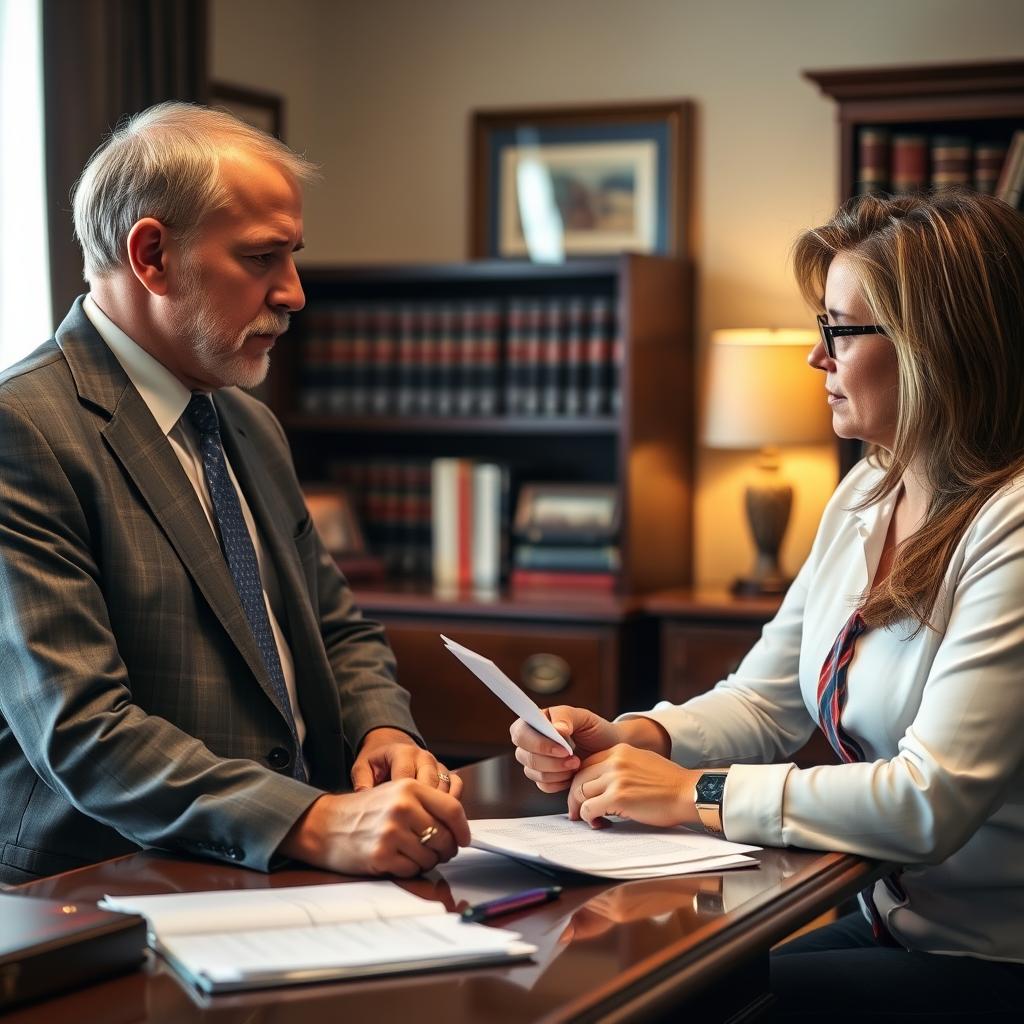
Petit Larceny Lawyer Fluvanna County, VA
In Fluvanna County, a petit larceny charge under Va. Code § 18.2‑96 is a Class 1 misdemeanor that carries up to 12 months in jail and a $2,500 fine. The outcome of such a charge can affect employment, housing, and your permanent record, even for a first offense. Cases are heard at the Fluvanna County General District Court at 72 Main Street, Suite B, Palmyra, VA 22963. Mr. Sris and his Of Counsel represent individuals facing petit larceny allegations throughout the communities of Palmyra, Fork Union, Lake Monticello, and the surrounding region. Whether the accusation involves shoplifting, theft of property valued under $1,000, or related larceny offenses, experienced legal guidance can help protect your rights and seek a favorable resolution. To request a consultation, call (888) 437‑7747. Law Offices Of SRIS, P.C. — Advocacy Without Borders.
What Petit Larceny Means in Fluvanna County, Virginia
Petit larceny in Virginia is the theft of property or money valued at less than $1,000. The offense is a Class 1 misdemeanor, the most serious level of misdemeanor in the Commonwealth. Under Va. Code § 18.2‑96, a conviction may lead to a maximum of 12 months in jail, a fine of up to $2,500, probation, and a permanent criminal record. In Fluvanna County, the General District Court handles all misdemeanor trials and preliminary hearings for felonies. The Commonwealth’s Attorney prosecutes these cases on behalf of the state. Because the judge alone determines guilt or innocence at the GDC level, presenting a well-prepared defense is essential from the first court date.
Fluvanna County lies within Virginia’s Sixteenth Judicial District and is served by the Fluvanna County General District Court and, for felony matters or appeals, the Fluvanna County Circuit Court. Individuals charged with petit larceny may be eligible for first-offender programs under Va. Code § 19.2‑303.2. Successful completion can result in the charge being dismissed, avoiding a conviction. However, eligibility is not automatic, and the Commonwealth’s Attorney must agree to the disposition. Our firm’s Shenandoah location represents clients at the Fluvanna County courts, ensuring that each case receives attention grounded in local courtroom knowledge and a thorough understanding of Virginia criminal procedure.
How Mr. Sris and His Of Counsel Handle Petit Larceny Cases
When someone faces a petit larceny charge in Fluvanna County, early intervention can shape the outcome. Mr. Sris and his Of Counsel begin by examining the evidence the Commonwealth intends to present. This includes reviewing police reports, witness statements, store surveillance recordings, and any property valuation. If procedural errors occurred during the investigation—such as an improper stop or an unlawful search—the firm may move to suppress evidence. Where the evidence is strong, the team works toward a negotiated resolution, which in Virginia may involve the Commonwealth’s Attorney agreeing to amend the charge to a lesser offense or to recommend deferred disposition.
Throughout the process, the firm works to protect the client’s rights and shield their record. For those who are eligible, Mr. Sris and his Of Counsel pursue first-offender programs or alternative resolutions that avoid a conviction. If the matter proceeds to trial, the defense is prepared to challenge the Commonwealth’s case at the General District Court, including cross‑examining witnesses and exposing weaknesses in the evidence. Every step is guided by the goal of achieving a resolution that minimizes the long‑term impact on the client’s life. Each case unfolds on its own timeline, depending on the court’s calendar and the complexity of the allegations.
About Mr. Sris and His Of Counsel Team
Mr. Sris, Owner and Founder of Law Offices Of SRIS, P.C., has practiced criminal defense since 1997. A former prosecutor, he brings insight into how the opposing side builds its case. Mr. Sris is admitted to practice in Virginia, Maryland, the District of Columbia, New Jersey, and New York. He testified before the Virginia House Courts of Justice Committee in support of 2019 HB 635 (chief patron Del. David Bulova).
Mr. Sris and his Of Counsel bring over 120 years of combined legal experience. They have documented 4,739+ case results across all practice areas since the firm’s founding. Results may vary. The team includes attorneys with backgrounds in law enforcement and prosecution, enabling a comprehensive view of petit larceny defense. For a personal assessment of your situation, reach our firm at (888) 437‑7747.
Frequently Asked Questions
What is the penalty for petit larceny in Fluvanna County, Virginia?
A petit larceny conviction is a Class 1 misdemeanor carrying up to 12 months in jail and a $2,500 fine. The court may also impose probation, community service, and restitution. In Fluvanna County, cases are heard at the General District Court. Accurate valuation is critical, as a higher value can elevate the charge to grand larceny—a felony. For a first offense, the court may consider alternative sentencing options. To discuss how the specific facts of your case may affect potential consequences, contact Law Offices Of SRIS, P.C. at (888) 437‑7747.
Can a petit larceny charge be expunged in Fluvanna County?
Yes, if the charge ends in an acquittal, a nolle prosequi, or a dismissal, Virginia law permits expungement. The petition must be filed in Fluvanna County Circuit Court. Expungement removes the police and court records from public access. Convictions generally cannot be expunged unless subsequently vacated. First‑offender dispositions under § 19.2‑303.2 that lead to dismissal create a path to expungement. An attorney can evaluate whether your case qualifies and guide you through the petition process.
Do I need a lawyer for a petit larceny charge in Fluvanna County?
Yes, even a misdemeanor petit larceny conviction can have lasting consequences on your record, employment, and professional licenses. The Commonwealth’s Attorney will prosecute the case, and the court can impose jail time. An experienced criminal defense lawyer can challenge evidence, negotiate with the prosecutor, and pursue alternatives such as first‑offender programs. Early representation helps protect your rights from the initial court appearance onward. For guidance on your specific situation, reach Law Offices Of SRIS, P.C. at (888) 437‑7747.
How does a Virginia lawyer defend against a petit larceny charge?
A defense may involve challenging the evidence, questioning witness credibility, or exposing procedural errors in the investigation. If property valuation is disputed, the attorney may argue that the value does not meet the felony threshold, keeping the charge as a misdemeanor. In Fluvanna County, counsel may also seek a deferred disposition under Va. Code § 19.2‑303.2, which can lead to dismissal. Every defense is tailored to the specific facts, and the strategy depends on the strength of the Commonwealth’s case.
What should I do if I am facing a petit larceny charge in Fluvanna County?
Contact a criminal defense attorney immediately and avoid discussing the case with anyone except your lawyer. Preserve any documents, receipts, or communications that may be relevant. Do not post about the matter on social media. Appear at all scheduled court dates as directed. Fluvanna County General District Court moves cases on its own calendar, and missing a date can result in a warrant. For a consultation, reach Mr. Sris and his Of Counsel at (888) 437‑7747.
Related criminal defense resources in Virginia:
Criminal defense representation in Fairfax County |
Criminal defense representation in Prince William County |
Criminal defense representation in Manassas (City)
Official Virginia legal resources:
Virginia Code Title 18.2 – Crimes and Offenses |
Fluvanna County Circuit Court
Attorney advertising. Prior results do not guarantee a similar outcome.
Case results depend on a variety of factors unique to each case.
Results may vary.