
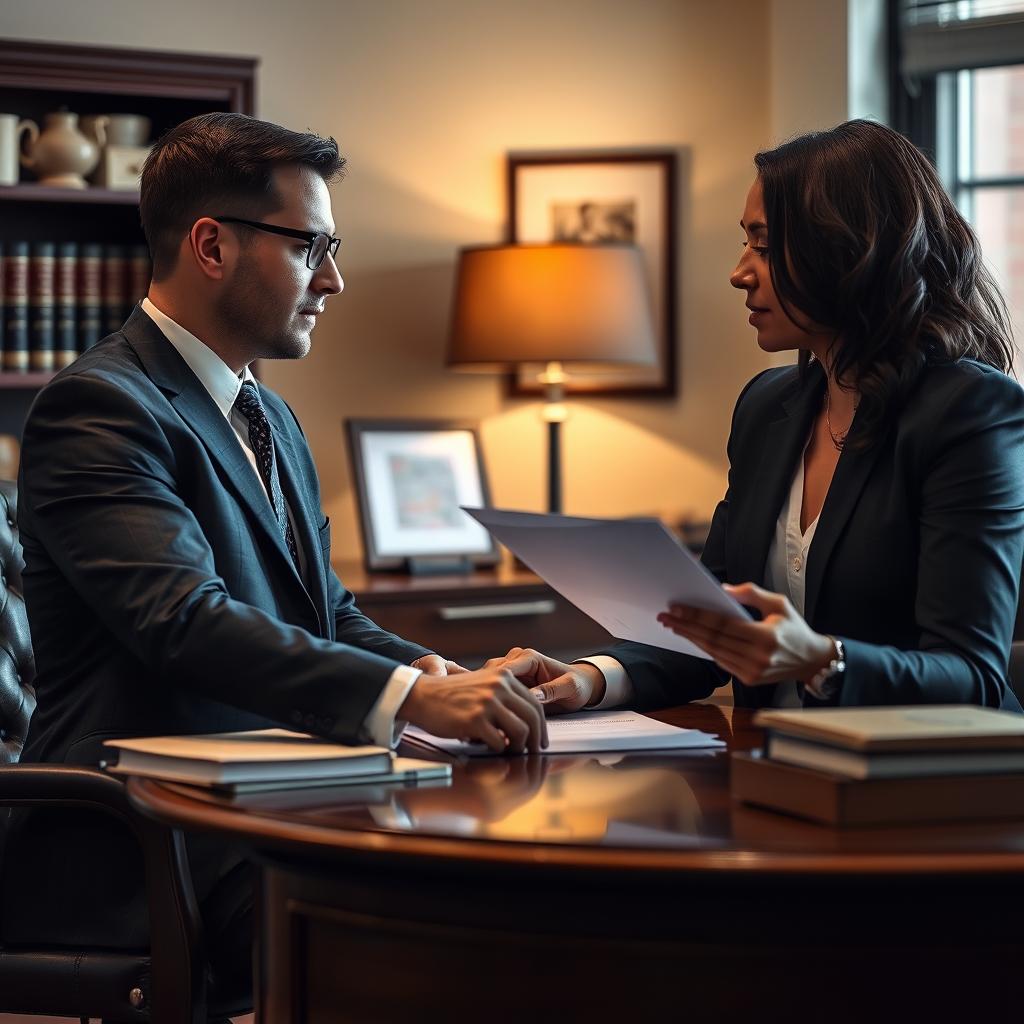
Petit Larceny Lawyer Washington DC
A charge of petit larceny in Washington, D.C., can be alarming, but an experienced defense attorney can help you understand your options and protect your future. Petit larceny—commonly referred to as second‑degree theft—is prosecuted in the D.C. Superior Court Criminal Division by the United States Attorney’s Office for the District of Columbia. Mr. Sris, a former prosecutor, and the firm’s Of Counsel attorneys appear regularly in D.C. Courts to defend individuals facing these allegations. The firm’s Arlington location is approximately 4.5 miles from the Superior Court at 500 Indiana Avenue NW, making it convenient to meet with counsel before court appearances. Law Offices Of SRIS, P.C. has served clients in the District since 1997 and brings extensive trial experience to each petit larceny matter. If you have been arrested or received a citation, call (888) 437‑7747 to request a consultation about your case.
Law Offices Of SRIS, P.C. – Advocacy Without Borders.
What Petit Larceny Means in Washington, D.C.
In the District, theft offenses are defined in Title 22 of the D.C. Code. Petit larceny is treated as second‑degree theft, a misdemeanor, and generally involves taking property valued at less than $1,000. The case is heard in the Criminal Division of the D.C. Superior Court, a unique trial court that handles all local criminal matters in the District. Because Washington, D.C. Is a federal jurisdiction, local crimes are prosecuted by the United States Attorney’s Office for the District of Columbia—not a local district attorney. The Metropolitan Police Department (MPD) makes the arrests, and initial appearances are scheduled promptly. The Pretrial Services Agency (PSA), a federal agency, assesses each defendant’s risk and recommends release conditions rather than relying on traditional cash bail; most individuals charged with petit larceny are released without posting money.
A conviction for second‑degree theft carries a maximum penalty of up to 180 days in jail and a fine. However, the actual sentencing depends on the specific facts, the defendant’s prior record, and the presence of any aggravating factors. D.C. Law also allows record sealing for certain dismissals and qualifying convictions under D.C. Code § 16‑803, so even if a charge is resolved unfavorably, future relief may be available. Because the U.S. Attorney’s Office actively prosecutes theft cases, having an attorney who understands the local courtroom procedures, the prosecutors, and the potential diversion options can make a meaningful difference in the outcome of a petit larceny matter.
How Mr. Sris and the Firm’s Of Counsel Attorneys Handle Petit Larceny Cases in Washington, D.C.
When a client is charged with petit larceny, the defense team at Law Offices Of SRIS, P.C. begins by reviewing all evidence the government intends to use, including surveillance footage, witness statements, and police reports. Our attorneys then examine the legal and factual weaknesses in the prosecution’s case. Many theft cases involve questions about the value of the property, the identity of the person who took it, or whether the taking was accidental rather than intentional. A thorough investigation often reveals grounds for a motion to suppress evidence or to dismiss the charge entirely.
Where pretrial dismissal is not possible, the firm works to negotiate a favorable resolution with the U.S. Attorney’s Office. Diversion programs, community service, or restitution agreements may be available for first‑time offenders, allowing the charge to be resolved without a conviction. If trial is necessary, Mr. Sris and the firm’s Of Counsel attorneys have extensive courtroom experience and are prepared to challenge the government’s witnesses and evidence before a judge or jury. Every strategy is tailored to the individual client’s circumstances, and the goal is always to minimize the immediate consequences and to protect the client’s long‑term record and employment prospects.
About Mr. Sris and the Firm’s Of Counsel Attorneys
Mr. Sris is the Owner and Founder of Law Offices Of SRIS, P.C. He is a former prosecutor and has been practicing since 1997. Admitted in Virginia, Maryland, the District of Columbia, New Jersey, and New York, Mr. Sris has appeared in courts throughout the D.C. Metropolitan area. He testified before the Virginia House Courts of Justice Committee in support of 2019 HB 635 (chief patron Del. David Bulova). Mr. Sris keeps a manageable caseload so that he can devote substantial attention to each matter he handles.
The firm’s Of Counsel attorneys bring additional depth and varied experience to petit larceny defense. They are admitted to the D.C. Bar and appear regularly in the D.C. Superior Court Criminal Division. Collectively, Mr. Sris and the firm’s Of Counsel attorneys have documented case results across all practice areas. Results may vary. The team’s combined experience helps clients navigate the unique federal‑local hybrid prosecution system that characterizes the District of Columbia.
Frequently Asked Questions
What is petit larceny in Washington, D.C.?
Petit larceny in D.C. Is a misdemeanor theft offense, codified as second‑degree theft, involving property valued below the felony threshold. The D.C. Code treats theft of property or services below that threshold as a criminal misdemeanor rather than a felony. The statute covers shoplifting, taking personal belongings, or stealing services. Because D.C. Is a federal district, the crime is prosecuted by the United States Attorney’s Office for the District of Columbia in the D.C. Superior Court Criminal Division. A conviction can result in jail time, fines, and a permanent criminal record, although record‑sealing options may later become available under D.C. Law.
What is the penalty for petit larceny in D.C.?
The maximum sentence for second‑degree theft in D.C. Is up to 180 days in jail and a fine. The actual sentence a defendant receives depends on factors such as the value of the property, whether the person has prior convictions, and whether they are eligible for diversion or probation. Many first‑time offenders can obtain a deferred sentencing agreement or community service in lieu of incarceration. Because the Pretrial Services Agency handles release decisions without cash bail, a person charged with petit larceny typically remains out of custody while the case is pending. An experienced defense attorney can present mitigating evidence and argue for a sentence that avoids jail.
Do I need a lawyer for a petit larceny charge in D.C.?
While you are not legally required to hire a lawyer, having an experienced defense attorney significantly improves your ability to achieve a favorable outcome. A petit larceny conviction can affect employment background checks, professional licensing, and immigration status. An attorney can negotiate with the U.S. Attorney’s Office for a dismissal, a diversion program, or a reduction of the charge. Self‑representation places a person at a disadvantage when challenging the government’s evidence or navigating the procedural rules of the D.C. Superior Court. For a consultation about your specific situation, reach Law Offices Of SRIS, P.C. at (888) 437‑7747.
Who prosecutes petit larceny cases in Washington, D.C.?
Petit larceny cases in D.C. Are prosecuted by the United States Attorney’s Office for the District of Columbia (USAO‑DC), not by a local district attorney. The unique structure of the District means that crimes under the D.C. Code are prosecuted by federal prosecutors in a local trial court—the D.C. Superior Court. The Metropolitan Police Department investigates and makes arrests, and the Pretrial Services Agency evaluates defendants for release. This hybrid local‑federal prosecution system means that defense counsel must be familiar with both D.C. Statutes and the practices of the U.S. Attorney’s Office. Mr. Sris and the firm’s Of Counsel attorneys have experience appearing before the U.S. Attorney’s Office in the Superior Court Criminal Division.
Can I get a petit larceny charge sealed in D.C.?
Yes, D.C. Law permits record sealing for certain petit larceny dispositions, including acquittals, dismissals, and some convictions after a waiting period. Under D.C. Code § 16‑803, a person may petition the D.C. Superior Court to seal records related to an arrest or charge. The eligibility timeline and criteria depend on the resolution of the case. For example, a dismissal is generally sealable immediately, while a conviction may require a waiting period of several years. Marijuana‑related theft offenses may have expanded sealing eligibility. Speaking with an attorney is the trusted way to determine whether your particular record qualifies for sealing and to begin the petition process. For guidance on your specific situation, contact Law Offices Of SRIS, P.C. at (888) 437‑7747.
What should I do if I am arrested for petit larceny in D.C.?
The first step after an arrest for petit larceny in D.C. Is to remain silent and request an attorney. Do not discuss the facts of the incident with law enforcement or with anyone other than your lawyer. The Pretrial Services Agency will interview you to prepare a release recommendation; be cooperative but limit your statements to the prescribed PSA process. Gather any documents or evidence that may be relevant, such as receipts, witness contact information, or surveillance footage, and provide them to your attorney. Promptly contact an experienced D.C. Criminal defense attorney who can enter an appearance in the D.C. Superior Court and begin building a defense. For a consultation, reach Mr. Sris and the firm’s Of Counsel attorneys at (888) 437‑7747.
Related criminal defense pages:
Georgetown Criminal Defense Lawyer ·
Spring Valley Criminal Defense Lawyer ·
Cleveland Park Criminal Defense Lawyer ·
Chevy Chase Criminal Defense Lawyer ·
American University Park Criminal Defense Lawyer
Official resources:
Washington, D.C. Superior Court ·
D.C. Code Title 22 ·
D.C. Superior Court Criminal Division
Attorney advertising. Prior results do not guarantee a similar outcome.
Case results depend on a variety of factors unique to each case.