
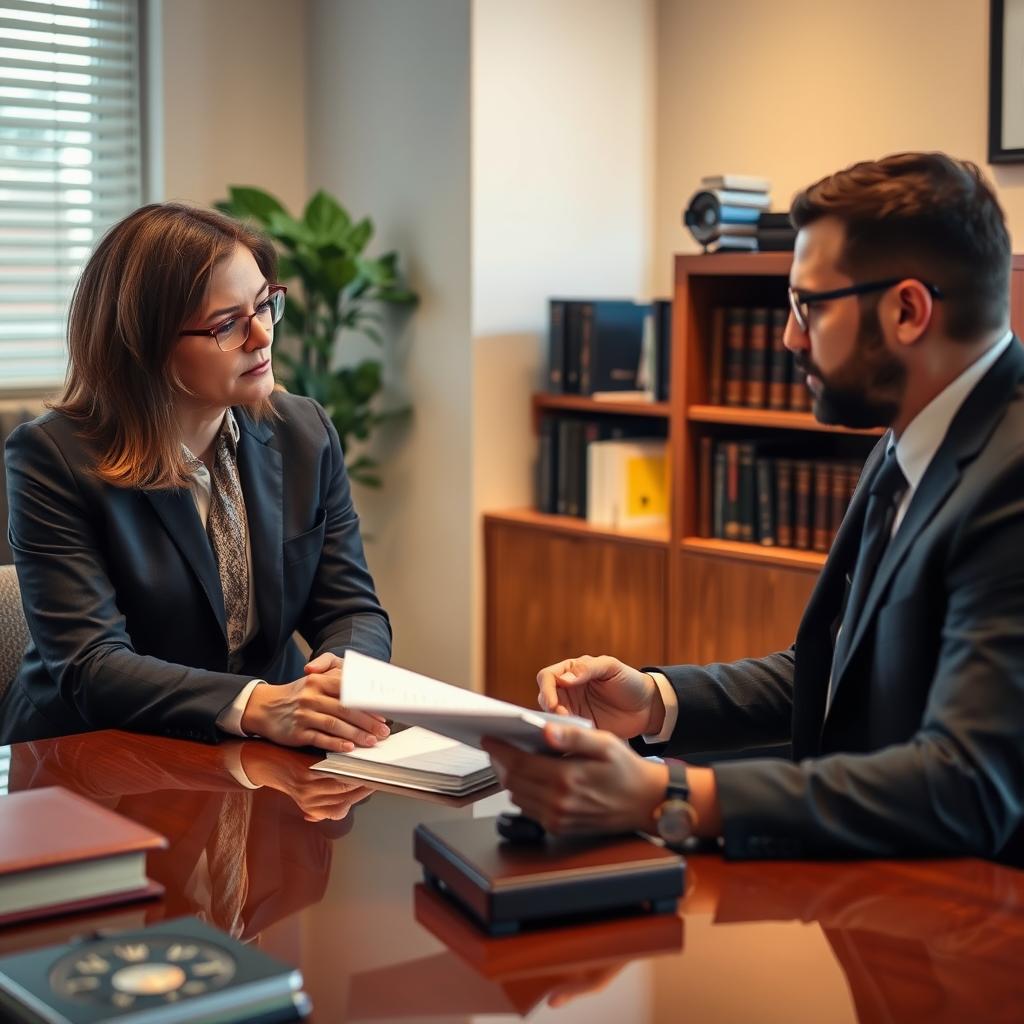
Theft Lawyer American University Park, DC
When a theft charge is brought in the District of Columbia, the outcome can affect your liberty, employment, and future. Residents of American University Park face theft charges in the DC Superior Court, a court that handles all criminal matters under the D.C. Code. A theft accusation—whether it involves shoplifting, embezzlement, or unauthorized use of property—calls for a defense that is prepared for the courtroom. Mr. Sris and the firm’s Of Counsel attorneys represent individuals facing theft allegations in the American University Park area; reach Law Offices Of SRIS, P.C. at (888) 437-7747 to schedule a consultation. Law Offices Of SRIS, P.C. – Advocacy Without Borders.
What Theft Means in American University Park, DC
The District of Columbia defines theft broadly. Under D.C. Code Title 22, theft encompasses the taking of another’s property without right, as well as obtaining property by deception, through embezzlement, or by receiving stolen goods. The value of the property and the manner of taking determine whether the charge is a felony or a misdemeanor. Theft matters from American University Park are heard at the DC Superior Court, located at 500 Indiana Avenue NW, Washington, DC 20001. A person charged with theft in this jurisdiction faces a process that begins with an arraignment and may proceed through pretrial motions and a trial before a judge or jury.
Theft in the first degree applies when the value of the property taken is $1,000 or more or when the property is taken directly from another person. It carries a penalty of up to 10 years of imprisonment. Theft in the second degree applies to property valued under $1,000; it is a misdemeanor punishable by up to 180 days in jail. Courts may also impose fines, restitution orders, and periods of supervised release. Because the threshold between a misdemeanor and a felony turns on the alleged value, a thorough review of the evidence is essential. The firm’s criminal defense practice addresses these distinctions in DC Superior Court proceedings.
How Mr. Sris and His Of Counsel Handle Theft Cases
A theft charge in DC requires careful preparation. Mr. Sris, a former prosecutor, and the firm’s Of Counsel attorneys examine the prosecution’s evidence—police reports, witness statements, surveillance video, and property valuations—to identify factual and legal defenses. They assess whether the government can meet its burden to prove each element of the offense, including the accused’s intent to permanently deprive the owner of the property. If valuation is disputed, they may challenge the basis for the claimed amount, as inaccuracies in valuation can affect the classification of the charge.
Pretrial litigation in DC Superior Court may include motions to suppress evidence obtained in violation of the accused’s rights, motions to dismiss for insufficient charging documents, and negotiations with the United States Attorney’s Office for DC—the office that prosecutes local criminal cases. Mr. Sris and his Of Counsel appear in the court’s Criminal Division and, when trial is necessary, present a well-prepared defense. Their experience with DC procedure and the federal prosecution framework gives clients a practical understanding of what to expect at each stage. Every case is addressed individually; the firm works toward a favorable resolution without making promises about outcomes. To discuss a pending theft matter, call (888) 437-7747.
About Mr. Sris and the Firm’s Of Counsel Attorneys
Mr. Sris is the Owner and Founder of Law Offices Of SRIS, P.C. He founded the firm in 1997. His background includes experience as a former prosecutor; he has testified before the Virginia House Courts of Justice Committee in support of 2019 HB 635 (chief patron Del. David Bulova). Mr. Sris is admitted to practice in Virginia, Maryland, the District of Columbia, New Jersey, and New York. He works alongside the firm’s Of Counsel attorneys, who are independent lawyers handling matters in the DC courts. Together, Mr. Sris and the firm’s Of Counsel bring extensive combined legal experience. They have documented case results across multiple practice areas since 1997. Results may vary. in any matter.
Frequently Asked Questions
What is theft under DC law?
Theft in the District of Columbia is defined as wrongfully obtaining or exerting unauthorized control over another’s property with the intent to deprive the owner of its use or value. The offense may be charged as first-degree theft—a felony—when the property value is $1,000 or more or when the theft is from a person. Second-degree theft, a misdemeanor, applies to property valued under $1,000. The relevant statutes are D.C. Code §§ 22-3211 and 22-3212. A conviction can result in incarceration, fines, and a criminal record.
Who prosecutes theft cases in Washington, D.C.?
Criminal cases, including theft offenses, are prosecuted by the United States Attorney’s Office for the District of Columbia, not by a local district attorney. DC is federal territory, so assistant U.S. Attorneys handle felony and misdemeanor prosecutions in DC Superior Court. The Metropolitan Police Department investigates and brings charges. This unique federal-local hybrid jurisdiction means that theft defendants face prosecutors who operate under federal practice standards.
How long can someone remain in custody after a theft arrest in DC?
DC does not use a traditional cash bail system. The Pretrial Services Agency, a federal agency, conducts a risk assessment and makes a release recommendation to the court. Most defendants charged with nonviolent theft offenses are released pending trial, often with conditions such as stay-away orders or periodic check-ins. The timeline between arrest and trial depends on the court’s calendar and the complexity of the case.
Can a theft conviction be sealed from my record in DC?
Yes, the District of Columbia allows record sealing for certain theft convictions under D.C. Code § 16-803. Eligibility depends on the type of conviction, the time that has passed since the completion of the sentence, and the absence of disqualifying subsequent offenses. Acquittals and dismissed charges generally may be sealed sooner. An attorney can evaluate whether a specific theft case qualifies for sealing and can assist with the petition process in DC Superior Court.
What should I do if I am arrested for theft in American University Park?
Ask to speak with an attorney and do not discuss the facts of the allegation with anyone other than your lawyer. Any statement to law enforcement can be used against you. Preserve any documents, receipts, or communications that may relate to the accusation. An attorney can intervene early, potentially before formal charges are filed, to work toward a dismissal, a deferred disposition, or a favorable plea resolution.
Why should I contact a theft lawyer who handles DC cases?
A theft charge in DC Superior Court involves federal-style prosecution and specific procedural rules that differ from state court systems. An attorney familiar with the court’s Criminal Division can challenge improper evidence, contest valuation claims that elevate a misdemeanor to a felony, and pursue dismissal or reduction of charges. Mr. Sris and the firm’s Of Counsel attorneys handle theft defense matters in the District of Columbia. To discuss the details of your matter, contact Law Offices Of SRIS, P.C. at (888) 437-7747.
Official resources:
DC Superior Court |
D.C. Code Title 22 — Criminal Offenses |
District of Columbia Courts
Attorney advertising. Prior results do not guarantee a similar outcome.
Case results depend on a variety of factors unique to each case.