
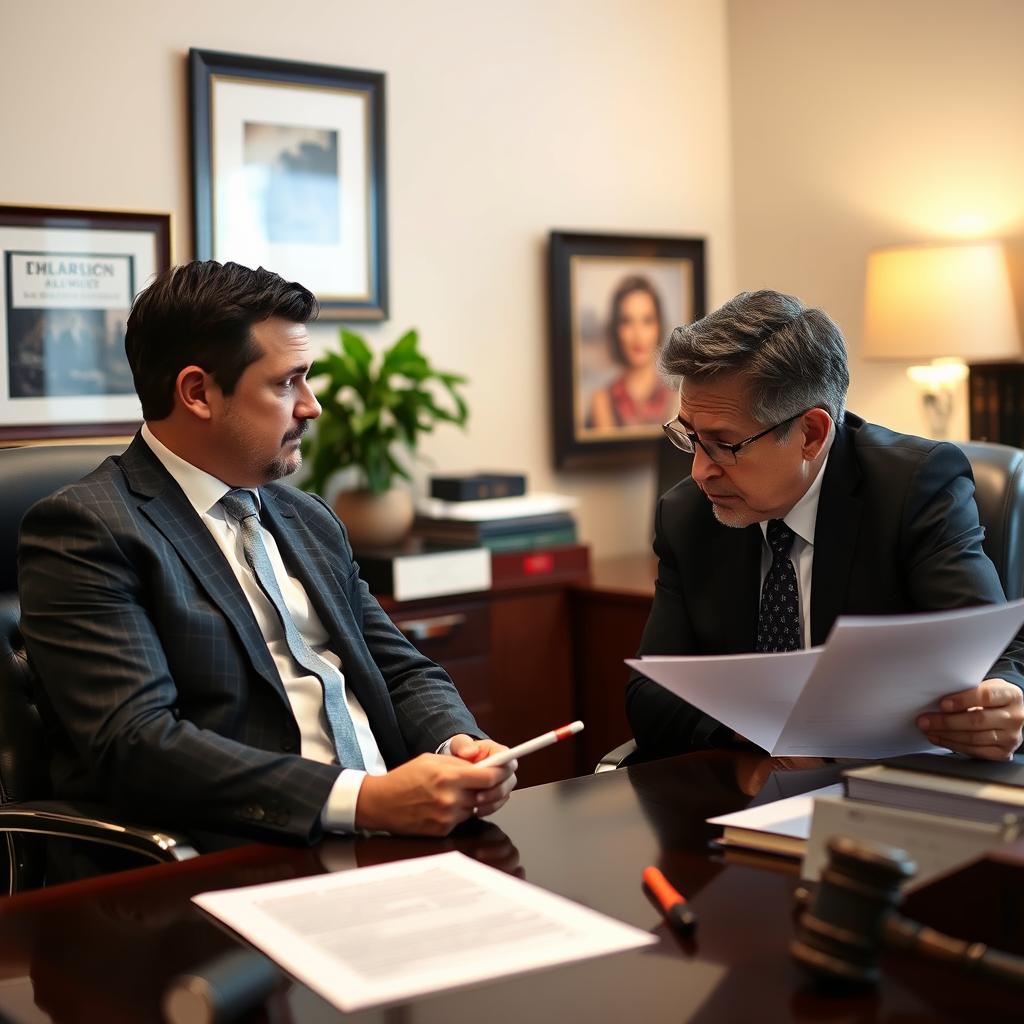
Third Degree Assault Lawyer Capitol Hill, DC
An arrest for third degree assault in the Capitol Hill neighborhood of Washington, D.C., means your case will be prosecuted at the DC Superior Court, just a short distance from the U.S. Capitol. Criminal charges in the District are handled by the United States Attorney’s Office for DC—there is no local district attorney. The firm’s attorneys understand the unique federal-local hybrid jurisdiction that governs criminal matters in the nation’s capital, and they appear regularly in the Criminal Division of DC Superior Court. If you are facing a charge of simple assault or a related offense, the decisions you make now can affect your record, your liberty, and your future. To discuss your situation with an experienced defense attorney serving Capitol Hill, contact Law Offices Of SRIS, P.C. at (888) 437-7747. Law Offices Of SRIS, P.C. – Advocacy Without Borders.
What Criminal Defense Means in Capitol Hill
Capitol Hill is more than a residential neighborhood near the seat of government; it is a community whose criminal cases are adjudicated within one of the most distinctive court systems in the country. The DC Superior Court—located at 500 Indiana Avenue NW, at the Judiciary Square Metro station—is the trial court for all local criminal offenses under the D.C. Code. Unlike other American cities, Washington, D.C., does not have a locally elected district attorney. Instead, the United States Attorney’s Office for the District of Columbia (USAO-DC) prosecutes violations of the D.C. Criminal Code, giving federal prosecutors authority over what would be state-level crimes elsewhere.
This arrangement creates procedural dynamics that are unfamiliar to many defendants. For example, the District does not use a traditional cash bail system; the Pretrial Services Agency, a federal entity, assesses each arrestee and makes a release recommendation to the court. Most individuals are released without posting money, but conditions may be imposed. The court also operates under the Speedy Trial Act, and certain competency evaluations are conducted at St. Elizabeths Hospital. For anyone charged with a misdemeanor assault—often classified as simple assault under D.C. Law—the matter begins with an arraignment and may proceed to trial within a matter of months. Our Arlington, VA location serves clients throughout the Capitol Hill area, and Mr. Sris together with the firm’s Of Counsel attorneys are familiar with the procedures, personnel, and expectations of the DC Superior Court Criminal Division.
How Mr. Sris and the Firm’s Of Counsel Attorneys Approach Criminal Cases
When you engage the firm after an assault arrest, the legal team begins by examining every aspect of the prosecution’s case. The first step is to obtain and review the charging document, police reports, witness statements, and any available video or photographic evidence. The firm’s attorneys identify procedural issues—such as whether the arrest complied with constitutional requirements—and evaluate the strength of the government’s evidence. Many assault charges in the District turn on the credibility of the complaining witness and the presence (or absence) of corroborating details. An experienced defense attorney knows how to test those details through cross-examination and, where appropriate, through pretrial motions.
Because the USAO-DC prosecutes these cases, the negotiation dynamic can differ from that in neighboring states. The firm’s attorneys understand the charging policies and diversion options that may be available in DC Superior Court. In appropriate cases, they explore whether the charge can be resolved through a deferred sentencing agreement, a diversion program, or a reduction to a non-criminal disposition. At every stage, the goal is to protect your record and your freedom while keeping you fully informed about the likely timeline and possible outcomes. If a trial becomes necessary, Mr. Sris and the firm’s Of Counsel attorneys are prepared to present a well-prepared defense before the judge or jury.
About Mr. Sris and the Firm’s Of Counsel Attorneys
Law Offices Of SRIS, P.C. was founded in 1997 by Mr. Sris, a former prosecutor. Mr. Sris, Owner and Founder of the firm, is admitted to practice in Virginia, Maryland, the District of Columbia, New Jersey, and New York. His background as a former prosecutor gives him insight into how the government builds its assault cases and where those cases may be vulnerable. Mr. Sris testified before the Virginia House Courts of Justice Committee in support of 2019 HB 635 (chief patron Del. David Bulova).
Working alongside Mr. Sris, the firm’s Of Counsel attorneys bring extensive combined legal experience to every criminal matter. These attorneys are independent practitioners who contract with the firm, and they concentrate their work in criminal defense and related areas. Together, Mr. Sris and the firm’s Of Counsel attorneys have documented case results across multiple practice areas since the firm’s founding. Results may vary. When you call, you speak with a team that is prepared to address the federal-local hybrid nature of DC criminal cases and to advocate on your behalf throughout the process.
Frequently Asked Questions
Who prosecutes criminal cases in Washington, D.C.?
Criminal cases in the District of Columbia are prosecuted by the United States Attorney’s Office for DC (USAO-DC), a federal agency, rather than by a local district attorney. Because DC is a federal district, local offenses under the D.C. Code are handled by federal prosecutors. All cases are heard at DC Superior Court, located at 500 Indiana Avenue NW. The court uses the Pretrial Services Agency instead of a cash bail system. For a Capitol Hill arrest, your case proceeds through this unique federal-local hybrid process.
Does DC have cash bail?
No, Washington, D.C., does not use a traditional cash bail system for most criminal offenses. Instead, the Pretrial Services Agency—a federal agency—evaluates each defendant and recommends conditions of release to the court. Most defendants are released without having to post money, though the court may impose supervision or restrictions. Expungement of certain records is available under D.C. Code § 16-803 after the applicable waiting period. To discuss how release conditions may apply to your assault charge, contact the firm at (888) 437-7747.
What is third degree assault in the District of Columbia?
In Washington, D.C., the offense commonly referred to as third degree assault is prosecuted as simple assault under Title 22 of the D.C. Code. A conviction for simple assault can carry a jail sentence and a fine; the maximum penalties are up to 180 days of incarceration and a fine, though actual sentences depend on the circumstances and the defendant’s criminal history. The government must prove that the defendant intentionally caused physical injury or offensive contact, or that the defendant’s actions placed another person in reasonable fear of immediate harm. An experienced defense attorney can challenge the elements of the charge and explore alternatives to conviction.
Can I get my DC criminal record sealed?
Yes, many DC criminal records can be sealed under D.C. Code § 16-803, provided you meet the statutory eligibility requirements. Eligible dispositions include acquittals, dismissals, and certain convictions after a waiting period has passed. Marijuana-related offenses have expanded sealing eligibility under recent reforms. A petition for sealing is filed in DC Superior Court. Because the criteria vary depending on the charge and the outcome, it is important to have an attorney review your specific record to determine whether you qualify. For a consultation, reach Mr. Sris and the firm’s Of Counsel attorneys at (888) 437-7747.
Do I need a lawyer for a simple assault charge in Capitol Hill?
You are not required to hire an attorney for a simple assault charge, but having experienced counsel can significantly affect the outcome of your case. The United States Attorney’s Office prosecutes these matters actively, and a conviction can result in jail time, a fine, and a permanent criminal record. An attorney can investigate the facts, negotiate with the prosecutor, and, if necessary, take your case to trial. Even if you believe the evidence against you is weak, the procedural rules and evidentiary standards in DC Superior Court are complex and most effectively handled by someone who practices regularly in that courthouse.
What should I do immediately after an assault arrest in DC?
After an arrest for any assault offense in Washington, D.C., your first priority should be to secure legal representation and avoid discussing the facts of the case with anyone other than your attorney. Do not post about the incident on social media, and do not attempt to contact the alleged victim or any witnesses directly. Keep any documents, text messages, or photos related to the event, as they may be useful in your defense. Because the USAO-DC acts quickly, contacting a defense attorney early allows your legal team to begin working on your behalf while evidence is still fresh.
Explore related pages:
Washington, D.C. Criminal defense overview | Georgetown assault defense lawyer | Spring Valley criminal defense attorney | Cleveland Park assault charges | Chevy Chase DC criminal defense
Primary sources:
D.C. Code Title 22 — Criminal Offenses | DC Superior Court | United States Attorney’s Office for the District of Columbia
Attorney advertising. Prior results do not guarantee a similar outcome. Results may vary.
Case results depend on a variety of factors unique to each case.